Choosing the right Solar Shelter Lighting can be a daunting task. With various options available, it's essential to focus on your specific needs. Analysis of different solar lighting choices reveals distinct advantages and disadvantages.
The best solutions depend on factors like brightness, efficiency, and durability. For instance, LED lights are energy-efficient and long-lasting, while traditional bulbs may offer a warmer glow. We must consider how these choices impact safety and comfort in outdoor spaces.
Incorporating user feedback is crucial for informed decision-making. While some products excel in particular areas, others may fall short. Taking the time to evaluate performance in real-life scenarios will improve your experience. Ultimately, the right Solar Shelter Lighting can transform your outdoor environment, enhancing both practicality and ambiance.
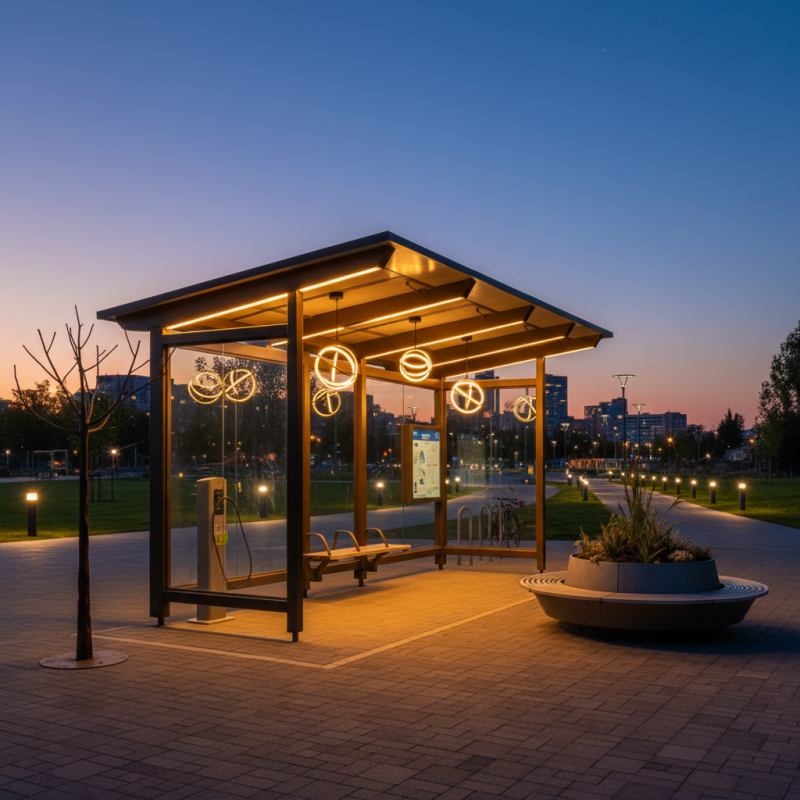
Solar shelter lighting solutions are essential for maximizing utility and safety in outdoor spaces. Proper lighting enhances visibility and usability, particularly in emergency shelters, campsite settings, or backyard retreats. Understanding the importance of effective solar lighting ensures functionality and comfort, especially after sunset.
Consider investing in high-efficiency solar panels that can capture ample sunlight. Lightweight fixtures with adjustable brightness can accommodate various needs. When placing lights, ensure pathways and critical areas are well illuminated. This not only enhances safety but also helps prevent accidents.
Regular maintenance is crucial. Dust and debris can block sunlight, diminishing performance. Every few months, inspect and clean the solar panels and lights. Reflect on your lighting placements. Are they sufficient? Could you improve them? Moreover, think about seasonal changes in sunlight. Adapting your setup ensures optimal lighting year-round.
| Lighting Type | Brightness (Lumens) | Battery Life (Hours) | Solar Panel Size (W) | Installation Difficulty |
|---|---|---|---|---|
| LED Flood Lights | 4000 | 12 | 20 | Easy |
| Solar Lanterns | 300 | 15 | 5 | Very Easy |
| Solar String Lights | 200 | 10 | 10 | Moderate |
| Solar Wall Lights | 500 | 8 | 15 | Easy |
| Solar Deck Lights | 150 | 20 | 8 | Very Easy |
When exploring solar lighting options for shelters, consider the specific needs of your space. Solar products vary widely in terms of brightness, battery life, and durability. Evaluate whether you need ambient lighting or focused beams. Some models provide warm light, while others offer cooler tones.
Tips: Test different colors of light in your environment. A warm hue may feel cozier, while bright white can enhance visibility. Ensure you choose lights that are weatherproof and rated for outdoor use. This can save you from the disappointment of low performance over time.
Another key factor is installation. Many solar lighting solutions are easy to set up, yet some might require professional help. Think critically about your DIY skills. Improper installation can lead to inefficiencies. Familiarize yourself with the product specifications to align your expectations with reality.
Tips: Measure the area where the lights will be installed. This helps in selecting the right size and type of fixture. Compare wattage and lumens when checking brightness levels. More lumens typically mean brighter light, but be cautious about energy consumption.
Choosing the right solar shelter lighting solutions requires careful consideration of brightness and energy efficiency. Assessing these factors can help in selecting the best options for your needs.
Brightness is critical; adequate illumination can enhance safety and usability. You should consider how many lumens are needed based on the size and purpose of the shelter. For example, a small garden shed may require less light than a larger workshop.
Energy efficiency is equally important. Efficient lighting not only reduces energy costs but also prolongs battery life in solar-powered setups. Look for options that maximize lumens per watt. Solar lights come in various technologies, including LEDs, which are known for their durability and efficiency. However, not all LEDs perform the same under different conditions. Testing different options under varied weather can reveal inconsistencies.
Consider practicality too. Installation should be straightforward, and maintenance should be minimal. However, keep in mind that solar lights might not always deliver perfect performance. In areas with prolonged cloud cover, you might experience reduced effectiveness. This highlights the need for a backup lighting strategy in regions with variable weather. Balancing brightness with energy needs requires thoughtful evaluation to ensure functional and reliable solutions.
When choosing solar lights for shelters, the installation method is crucial. Proper installation can affect the overall effectiveness and safety of the lighting solution. Industry professionals suggest that over 60% of solar light performance issues stem from improper placement. Therefore, understanding the unique features of the location is important.
For instance, solar lights should be installed where they can receive maximum sunlight. Shadows from trees or buildings reduce efficiency. According to the Solar Energy Industries Association, optimal positioning can enhance energy capture by up to 30%. Additionally, the right mounting height is essential. Placing lights too high may produce uneven lighting, while too low may create glare.
Another consideration is the wiring method for integrated systems. Many newer designs come with solar panels and lights in one unit. This can simplify the process, but wiring systems often require careful planning. Over 45% of failed installations are due to inadequate wiring techniques. Adequate preparation and knowledge of local conditions can rectify many common issues. Reflecting on these details can lead to more reliable solar lighting outcomes.
When maintaining solar shelter lighting, regular checks are vital. Inspect the solar panels for dirt and debris. Clean them gently with a soft cloth to maximize sunlight absorption. This simple act can significantly enhance their efficiency. Check for any signs of physical damage as well. A cracked panel can lead to power loss.
Battery care is equally crucial. Ensure the batteries are charged correctly. Look for swelling or corrosion, as these can indicate an issue. Replace old batteries periodically to maintain optimal performance. Inadequate battery management can lead to less light during the night.
Lastly, consider your lighting’s exposure. If trees or buildings shade your solar lights, it could reduce their effectiveness. Trim any obstructive foliage. This proactive step can prolong the lifespan of your system. Also, evaluate the location annually. Sometimes, a slight adjustment can make a difference in performance.
: It enhances visibility and usability in outdoor spaces, especially in emergencies or after sunset.
Invest in high-efficiency solar panels and use lightweight fixtures with adjustable brightness.
Ensure pathways and critical areas are well illuminated for safety and to prevent accidents.
Regular maintenance every few months is essential to inspect and clean solar panels and lights.
The size and purpose of the shelter determine the number of lumens needed for adequate lighting.
Efficient lights reduce energy costs and prolong battery life, which is crucial for solar-powered systems.
Inspect for dirt, debris, and physical damage, as these can significantly affect performance.
Cloud cover can reduce effectiveness, so consider backup lighting solutions for variable weather conditions.
Regularly check for swelling or corrosion and replace old batteries to maintain brightness at night.
Trim obstructive trees or foliage, and evaluate the lighting location to improve solar absorption.
Choosing the right solar shelter lighting solutions is essential for enhancing safety and usability in outdoor spaces. The importance of solar shelter lighting lies not only in providing illumination but also in promoting energy efficiency and sustainability. In evaluating different types of solar lighting options, one should consider factors such as brightness and energy efficiency requirements to ensure optimal performance.
Moreover, selecting the appropriate installation method can significantly impact the effectiveness of solar lights. It is crucial to assess the installation area and available sunlight to maximize energy capture. Lastly, maintenance tips can help prolong the longevity of solar shelter lighting, ensuring that they remain functional and effective over time. By understanding these key aspects, individuals can select the best solar shelter lighting solutions to meet their needs.

Lumina Light