When considering outdoor lighting solutions, many people wonder, "What is the difference between integrated and split solar lights?" Understanding these differences can greatly enhance your choice of solar lighting. Integrated solar lights combine the solar panel, battery, and LED in one unit, offering a sleek design. They are simple to install and require minimal maintenance.
On the other hand, split solar lights separate the solar panel from the lighting unit. This design allows for more flexibility in placement, especially in shaded areas. The battery can be placed closer to the light source, maximizing efficiency. Each style has its advantages and challenges, and the choice largely depends on specific needs.
It's crucial to evaluate your space and lighting requirements before making a decision. Integrated solar lights may appeal to those seeking a straightforward, compact solution. Conversely, split solar lights might be better for those needing adaptability. Both options have their merits and drawbacks, reflecting different lifestyles and preferences.
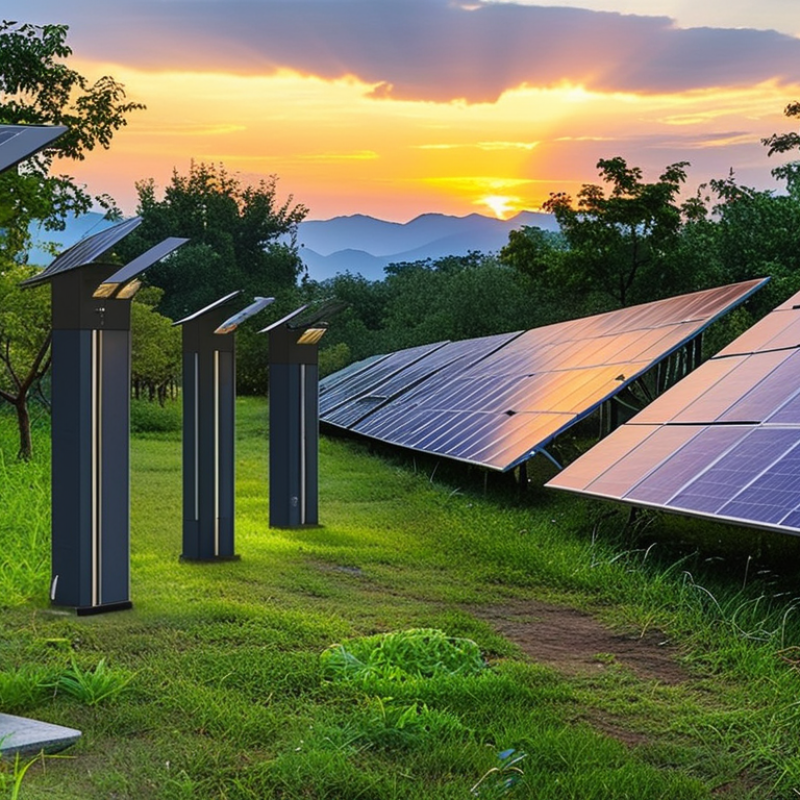
When considering solar lights, two main types stand out: integrated and split designs.
Integrated solar lights combine the solar panel, battery, and LED lighting into one compact unit. They are easy to install and require minimal space. These lights are great for areas with limited space, providing a neat appearance. The drawback is that if one component fails, the entire unit may need replacement.
On the other hand, split solar lights separate these components for greater flexibility. The solar panel can be installed in an optimal location, while the light fixture can be placed elsewhere. This setup enhances efficiency, especially in areas with shade. However, it often requires more installation time and effort. Proper alignment is crucial for maximum solar absorption.
Both types have unique features worth considering. Integrated lights appeal to those seeking simple solutions. Split lights offer versatility but can complicate installation. The choice often depends on your specific needs and space constraints. Reflecting on these factors is essential before making a purchase.
Integrated solar lights offer unique advantages that make them an appealing choice for outdoor lighting. One key feature is their compact design. With solar panels, LED lights, and batteries housed within a single unit, they are much simpler to install. Reports indicate that installation costs can be up to 30% lower compared to split systems. Integrated solar lights require minimal maintenance, as there are fewer components to manage. This makes them an ideal fit for residential and commercial spaces looking for cost-effective solutions.
Another significant advantage lies in their energy efficiency. Integrated solar lights often include advanced features like smart sensors. These sensors allow lights to operate only when needed. Studies show that this can reduce energy consumption by up to 50%. This not only extends battery life but also contributes to sustainability goals. Furthermore, integrated systems typically have higher durability. The lack of external wiring and components can make them more resistant to weather-related wear and tear.
However, there are limitations. The integrated design may restrict customization options. Users might find it difficult to replace individual parts when necessary. Additionally, the overall illumination range might not meet the needs of larger spaces. This can lead to moments of reflection about the trade-offs between convenience and performance. Integrated solar lights are undeniably efficient but worth assessing against specific lighting requirements.
Split solar lights have gained popularity for their flexibility and efficiency. Unlike integrated lights, they separate the solar panel and the light fixture. This design allows for optimal positioning of the solar panel, maximizing sunlight absorption. According to a study by the Solar Energy Industries Association, effective energy collection can increase overall efficiency by up to 25%. This is crucial, particularly in areas receiving limited sunlight, as it extends the operational life of the lighting system.
One of the key features of split solar lights is their adjustable installation options. Users can mount the solar panel in a sunlit area, while placing the light where illumination is needed. This feature suits various outdoor environments, from pathways to gardens. Moreover, the adaptability of split solar lights allows for easier maintenance. If the light fixture requires repair, the solar panel remains unaffected, enabling continued energy collection. Many users appreciate this blend of practical design and energy efficiency, though it’s critical to factor in the potential costs of installation and setup, especially if professional help is needed.
When comparing integrated and split solar lights, it's crucial to analyze their efficiency and performance. Integrated solar lights combine the panel, battery, and LED into one unit. This design offers simplicity and is typically easier to install. However, they may struggle with longer runtime or power output during cloudy days.
Split solar lights, on the other hand, separate the solar panel from the light fixture. This allows for more flexibility in positioning the panel in direct sunlight, which can significantly enhance charging efficiency. The distinct components can lead to more reliable performance, even in varied environmental conditions. A drawback might be the more complex installation process and potential vulnerabilities in connecting cables.
**Tips:** When choosing between these options, assess your specific needs. If installation simplicity is a priority, integrated lights might meet your requirements. For optimal performance, consider split lights if you can manage the installation effort. Test the chosen system during different weather conditions to gauge reliability over time.
When considering solar lights for outdoor spaces, installation and cost are key factors. Integrated solar lights come with built-in solar panels and batteries. They are typically simpler to install, as they require less assembly. This saves time and effort, making them appealing for many users. Split solar lights, on the other hand, have separate components for the panel and the light. This setup can lead to more complex installation, but it offers flexibility in position. You can place the solar panel in a sunny spot while the light illuminates a darker area.
In terms of cost, integrated solar lights may be cheaper upfront. However, split solar lights can offer more long-term value. If you need a brighter light or better performance in low sunlight, split lights might be worth the extra investment. It’s essential to evaluate your specific needs. Think about the location, sunlight availability, and budget. Both systems have strengths and weaknesses. You may find that integrated lights work well for small gardens, while larger areas benefit from the versatility of split lights.
| Feature | Integrated Solar Lights | Split Solar Lights |
|---|---|---|
| Design | All-in-one unit | Separated components |
| Installation | Easier and quicker | Requires more time & effort |
| Cost | Generally lower initial cost | Higher initial investment |
| Maintenance | Low maintenance | Higher maintenance due to separate parts |
| Light Output | Limited light output | Higher light output potential |
| Versatility | Less versatile | More versatile installation options |
| Solar Panel Orientation | Fixed panel orientation | Adjustable panel orientation |
| Battery Life | Typically shorter battery life | Usually longer battery lifespan |
| Warranty | Shorter warranty period | Generally longer warranty period |
| Aesthetic Appeal | Compact design | More options for style |
: Integrated solar lights combine solar panels, LED lights, and batteries in one unit. They simplify installation and reduce costs.
They require less assembly, saving time and effort. Installation costs can be 30% lower than split systems.
Yes, they include smart sensors. These sensors help reduce energy consumption by up to 50%.
They are generally more durable due to fewer external components, making them resistant to weather damage.
Users might find it hard to replace individual parts. The design could restrict specific adjustments.
Their illumination range may not suit larger spaces. It's important to assess needs against convenience.
Integrated lights are cheaper upfront but split lights may offer better long-term value for brighter performance.
They work well in small gardens where lighter illumination is needed. Larger areas might benefit from split options.
They require minimal maintenance due to fewer components to manage, which is convenient for users.
Consider location, sunlight availability, performance needs, and budget when evaluating your options.
The article "Top 10 Differences Between Integrated and Split Solar Lights" provides a comprehensive overview of two prominent types of solar lighting solutions. The key difference between integrated and split solar lights lies in their design and functionality. Integrated solar lights combine the solar panel, battery, and LED fixture into one unit, offering simplicity and ease of installation. In contrast, split solar lights have separate components, allowing for versatility in placement and potential enhancements in power and efficiency.
Key features of integrated solar lights include compactness and lower installation costs, while split solar lights stand out for their adaptiveness and higher performance in diverse environments. The comparative analysis also addresses efficiency and performance, revealing how each type responds to varying light conditions. Additionally, cost considerations highlight the differences in initial investment and long-term benefits, making it crucial for consumers to understand what is the difference between integrated and split solar lights when choosing the right solution for their needs.

Lumina Light