Designing solar lighting for public parks is a vital task. It enhances safety and encourages night-time use. Effective solar lighting can significantly improve the park's ambiance. However, many designers face challenges in achieving optimal layouts.
When considering how to design a solar lighting layout for a public park, various factors come into play. These include park size, layout, and usage patterns. Lighting should focus on high-traffic areas while also considering pathways and seating zones. Solar lights need proper placement to avoid shadows and ensure even illumination.
Nevertheless, there might be oversights in the planning process. For instance, the solar panel's angle and location can impact energy efficiency. Reflecting on these details can lead to significant improvements. Ultimately, thoughtful design can create a safer, more inviting environment for all park visitors.
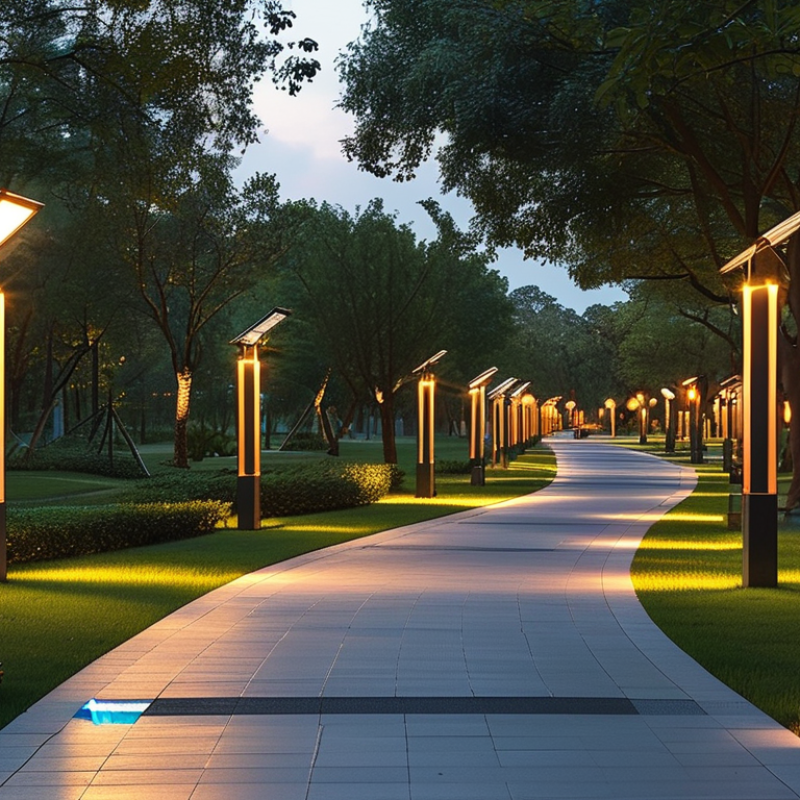
Solar lighting has become a vital aspect of public parks. Its benefits extend beyond basic illumination. These lights enhance safety by ensuring well-lit pathways and recreational areas. A well-lit park deters crime and encourages families to visit after dark. This creates a welcoming environment that fosters community engagement.
Moreover, solar lighting is eco-friendly. These systems harness the sun's energy, reducing electricity costs. They require minimal maintenance and can operate in various weather conditions. Parks often feature diverse landscapes, so custom designs are essential. Integrating solar lights with park aesthetics is crucial. It is not only about function but also about creating an enjoyable experience.
However, challenges exist. Positioning the lights for optimal sunlight exposure can be tricky. Some parks have dense trees that block sunlight. There are also variations in light intensity based on the time of year. Balancing brightness with ambiance needs careful planning. Engaging with local communities can provide insights into specific needs and preferences. This collaboration can lead to innovative designs that improve public spaces.
When designing solar lighting for public parks, several key factors must be considered. First, the placement of the lights is crucial. They should illuminate pathways, benches, and recreational areas without causing glare. Proper spacing can enhance safety and usability. Additionally, light intensity should align with the park's activities. A brightly lit play area differs from a quiet garden.
Maintenance of solar lighting is another critical factor. Regular checks ensure batteries and panels are functioning well. Inadequate maintenance might lead to dark spots. Also, community input is invaluable. Understanding user preferences can guide design decisions. Are there areas that need more light? Gathering feedback fosters better designs.
Finally, aesthetics matter. Solar lights should blend with the park's environment. Materials and colors should reflect the surroundings. However, it’s not always easy to balance functionality and beauty. Sometimes, innovative designs might clash with natural settings. Ongoing adjustments based on user experience can lead to improvements.
When designing solar lighting for public parks, energy efficiency is crucial. The specifications of solar panels directly impact their output. Generally, higher wattage solar panels produce more electricity. Selecting panels with an efficiency rating over 20% can optimize energy output. These panels are effective, but installation must consider park-specific conditions.
Placement affects performance. Urban areas may have shadows from buildings or trees. Testing various angles and locations for solar panels can help identify the best setup. Weather impacts energy generation too. Regions with shorter days and frequent clouds need different panel configurations. Unforeseen natural factors can result in inconsistent lighting, causing safety concerns.
Battery capacity also matters. Sizing batteries to match the expected energy production is key. Batteries should store enough energy for nighttime use. However, overcapacity can be wasteful. Regular assessments of battery performance help in maintenance and replacement decisions. Balancing efficiency and practicality is essential for long-term sustainability in public parks.
Designing solar lighting for public parks requires a balance between aesthetics and functionality. According to a report by the U.S. Department of Energy, proper lighting can increase park usage by up to 30%. Effective designs should highlight natural features while ensuring safety. A well-lit path encourages visitors to explore different areas, making the park feel inviting.
Integrating various solar technologies can enhance park lighting's visual appeal. For instance, LED fixtures can provide bright, clear light while consuming less energy. However, not all fixtures blend seamlessly into their surroundings. Some designs may obstruct views or seem out of place. This mismatch can detract from the park's overall experience.
Emphasizing community engagement during the design process can yield meaningful insights. Local residents often have thoughts on both aesthetics and usability. Surveys indicate that 75% of parkgoers prefer areas that reflect their community's character. Ignoring their input may lead to suboptimal designs. Balancing light placement with park features demands ongoing evaluation and adaptation to better serve the public.
| Dimension | Details |
|---|---|
| Light Source Type | LED |
| Power Source | Solar Panel |
| Lumens | 800-1200 |
| Height of Fixture | 8-12 feet |
| Color Temperature | 3000K - 5000K |
| Battery Life | 3-5 years |
| Design Style | Modern, Sleek |
| Environment Impact | Eco-friendly, Sustainable |
Long-term maintenance and cost analysis of solar lighting systems is crucial for successful public park projects. According to the National Renewable Energy Laboratory (NREL), solar lighting can reduce energy costs by up to 75%. However, initial setup costs can be high, with average installations ranging from $2,000 to $4,000 per unit. This creates a significant upfront investment for municipalities.
Regular maintenance is essential to ensure longevity. The Solar Energy Industries Association (SEIA) reports that solar lights typically last 10-15 years with proper care. However, components like batteries may need replacement every 3-5 years. This adds to overall maintenance costs, which can fluctuate based on the selected components and environmental factors.
Public parks must also consider the effects of weather and vandalism on solar lights. This unpredictability can inflate repair budgets. Some studies suggest that maintenance costs can represent up to 20% of the total life cycle expenses of solar lighting systems. Thus, decision-makers should perform detailed cost-benefit analyses before proceeding with solar installations, factoring in potential pitfalls and local conditions for sustainable park environments.
: Solar lighting enhances safety, deters crime, and encourages community engagement in parks.
Solar lighting can reduce electricity costs by up to 75%, making it eco-friendly.
Dense trees can block sunlight, making optimal positioning tricky for effective lighting.
Higher wattage and efficiency ratings ensure greater electricity output for park lighting needs.
Batteries typically need replacement every 3-5 years, impacting maintenance costs.
Urban shadows, weather conditions, and seasonal changes can all impact solar panel output.
Engaging with local communities helps identify needs and encourages innovative designs for public parks.
Average installation costs range from $2,000 to $4,000 per unit, which is significant.
With proper maintenance, solar lights can last between 10 to 15 years.
Maintenance costs, weather effects, and potential vandalism can significantly increase total expenses.
Effective design of solar lighting for public parks is essential to enhance safety, aesthetics, and energy efficiency. Understanding the importance of solar lighting includes recognizing its role in reducing electricity costs and promoting sustainability. When considering how to design a solar lighting layout for a public park, key factors such as the park's layout, usage patterns, and the specific needs of the community must be evaluated.
Moreover, assessing the energy efficiency of solar panels, including their specifications and output, is critical for ensuring long-lasting performance. The integration of aesthetics with functionality allows solar lighting to complement the park's environment while providing adequate illumination. Finally, planning for long-term maintenance and conducting a thorough cost analysis of solar lighting systems are crucial for their sustainable implementation and operation. Overall, thoughtful design and consideration of these factors can lead to successful solar lighting solutions in public parks.

Lumina Light