The rising demand for sustainable solutions in urban infrastructure prompts many to ask, "What are the environmental benefits of solar LED street lighting?" These systems harness solar energy, significantly reducing reliance on fossil fuels. According to the U.S. Department of Energy, using LED technology can cut energy use by up to 75% compared to traditional street lighting options.
Moreover, solar LED street lighting helps diminish carbon emissions. A study from the Global Lighting Association highlights that transitioning to solar LED can reduce CO2 emissions by approximately 1.3 million tons globally each year. This reduction aligns with environmental goals to mitigate climate change and improve urban air quality.
However, challenges remain. Initial installation costs and maintenance concerns may deter widespread adoption. There’s also a debate about the longevity and efficiency of solar panels in varying weather conditions. As cities evolve, addressing these obstacles is essential. Yet, the environmental footprint of solar LED street lighting presents a compelling case for investment. The question remains—are we ready to fully embrace this green technology?
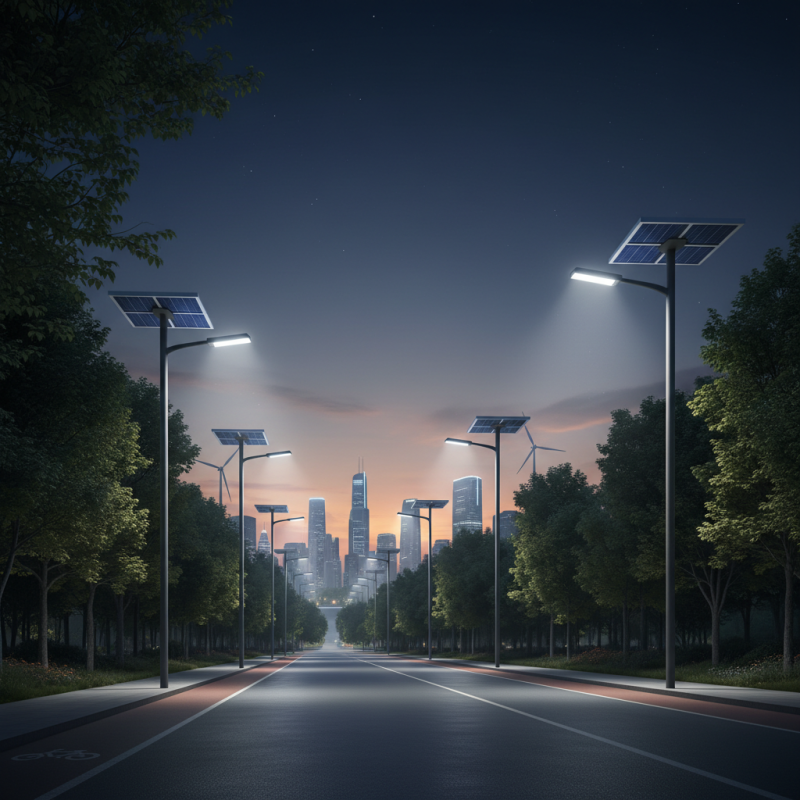
Solar LED street lighting technology is becoming a vital component in urban development. This system combines solar panels, LED lights, and battery storage to provide efficient street lighting. According to a report from the International Energy Agency, solar LED street lights can reduce energy consumption by up to 75% compared to traditional lighting. This represents a significant step towards sustainable urban environments.
One significant advantage of solar LED street lights is their low maintenance cost. Studies show that these systems can last over 25 years. This longevity reduces the need for frequent replacements and repairs. Additionally, solar LED lights improve safety in urban areas, as they provide better illumination than conventional lights. A darker street often leads to increased crime rates, and brighter streets can contribute to a feeling of safety for residents.
Tips: Ensure proper placement of solar panels to maximize sunlight exposure. Regularly check for debris that could obstruct light output. Despite their efficiency, not all areas may receive enough sunlight year-round. In such cases, a hybrid system could be explored to maintain consistent lighting. This combination can offer a reliable solution even in less-than-ideal conditions.
: Solar LED street lighting significantly reduces electricity usage compared to traditional streetlights. They rely on solar energy, decreasing grid dependence.
Maintenance costs are generally lower for solar LEDs. They require fewer bulb replacements, yet regular checks are necessary for optimal performance.
Solar LED systems may not be suitable for every location. It's crucial to evaluate regional climate and sunlight availability before installation.
Reduced light pollution from solar LEDs is less disruptive to wildlife. It helps maintain natural light patterns, aiding animals like bats and migrating birds.
Initial installation costs can be high. Some areas may not receive enough sunlight, limiting the effectiveness of solar LEDs.
Solar LEDs contribute to eco-friendly urban development. They lower greenhouse gas emissions and decrease energy consumption while providing efficient light.
Solar LED street lights can last many years without needing a replacement. Their durability reduces waste over time.
Balancing human safety with ecological needs is essential. Proper planning helps minimize light glare that can affect both people and wildlife.
Communities should evaluate the local environment and climate when installing solar LEDs. This assessment helps ensure maximum benefits from the system.
By reducing energy usage and waste, solar LEDs create a more sustainable urban environment. They enhance the city’s appearance and ecological health.
Solar LED street lighting presents numerous environmental benefits that contribute to a more sustainable urban infrastructure. First and foremost, the technology harnesses solar energy, significantly reducing the carbon footprint associated with traditional street lighting systems, which rely heavily on fossil fuels. This transition not only diminishes greenhouse gas emissions but also promotes energy efficiency, allowing cities to achieve substantial cost savings in the long run.
Additionally, solar LED street lighting plays a crucial role in mitigating light pollution, thereby protecting wildlife and preserving natural ecosystems adversely affected by artificial lighting. By minimizing nighttime brightness, these systems support the behavioral patterns of nocturnal species and enhance the overall health of ecosystems. In summary, when considering "what are the environmental benefits of solar LED street lighting," it is clear that these solutions offer a blend of sustainability, enhanced energy efficiency, and a positive impact on the environment.

 Lumina Light