10 Essential Tips for Maintaining Solar Street Lights in Cold Weather?

Time:2026-06-10 Author:Sophia
0%

As winter settles in, maintaining solar street lights becomes crucial. Many areas face extreme cold, which can impact the performance of these systems. To address this challenge, understanding how to maintain solar street lights in extreme cold weather is essential for longevity and efficiency.

Regular checks on battery health and solar panel angles are vital. Snow accumulation can hinder sunlight exposure. Proper clearing techniques can ensure optimal energy absorption. Another important aspect is securing the light fixtures to withstand harsh winds and heavy snowfall.

Moreover, understanding the environmental impact on solar technology is critical. Cold weather can cause battery degradation over time. By being proactive, municipalities can enhance the reliability of solar street lights during winter. This approach not only maximizes functionality but also saves costs in the long run, ensuring community safety and satisfaction.
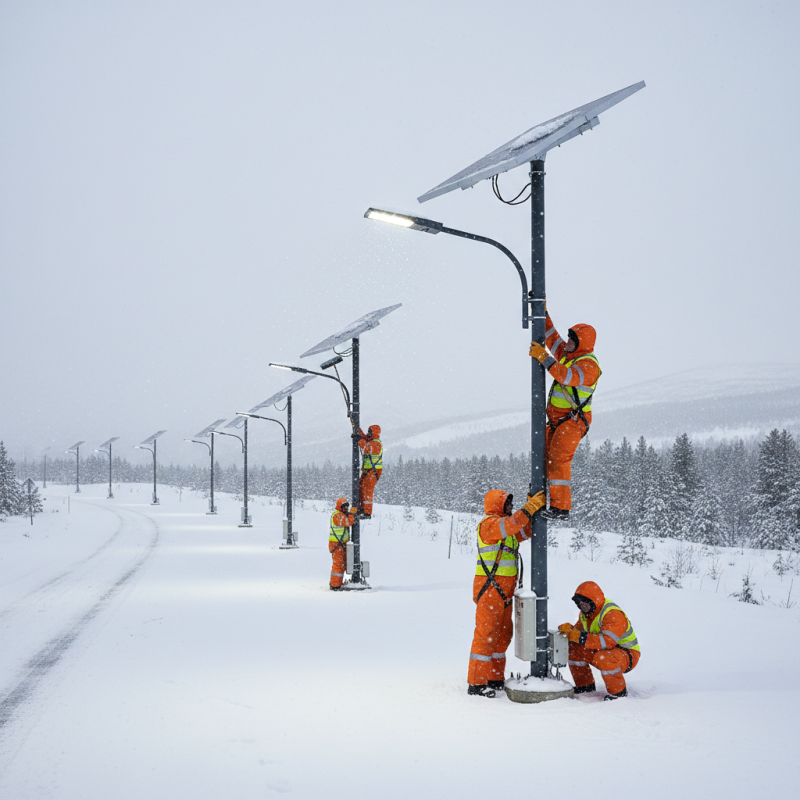
10 Essential Tips for Maintaining Solar Street Lights in Cold Weather?

Choosing the Right Location for Solar Street Lights in Winter

Choosing the right location for solar street lights in winter is crucial. The position affects solar energy absorption significantly. Ideally, place lights where they receive maximum sunlight during the day. Look for areas without obstructions like tall buildings or trees. Shadow can reduce solar charging efficiency.

Consider the ground conditions as well. Snow and ice can hinder solar panels. Therefore, install lights on raised platforms if possible. This will allow for better exposure to sunlight. Ensure that the lights remain clear of snow accumulation. Regular maintenance to clear debris is essential.

Another factor to reflect on is the community’s needs. Observe where pedestrians frequently walk, especially in winter. The configuration of streets can change with snow. Consequently, some spots may need better lighting during winter months. Collect feedback on brightness and positioning from residents. This can help in making necessary adjustments to enhance visibility.

Inspecting Solar Panels for Snow and Ice Accumulation

Maintaining solar street lights during cold weather requires careful attention. One crucial aspect is inspecting solar panels for snow and ice accumulation. When snow covers the panels, it blocks sunlight. This obstruction reduces the energy generated, affecting the lights' efficiency. Regular inspections help identify any issues early.

Use a soft brush to gently remove snow and ice from the panels. Harsh tools can scratch or damage the surface. While snow removal is vital, monitoring the weather conditions is also important. For instance, forecasted heavy snowfall may require proactive measures.

After a snowfall, check the angle of the solar panels. Panels installed with proper tilt are less likely to accumulate snow. You might find areas where snow lingers; this could indicate insufficient tilt or airflow. Reflect on the installation angle periodically. It can make a significant difference in performance during winter months.

Snow and Ice Accumulation on Solar Panels During Winter Months

Maintaining Battery Health in Cold Temperatures

Cold weather can significantly impact the performance of solar street lights, particularly their battery health. In low temperatures, the efficiency of batteries decreases. Solar batteries may struggle to hold a charge, leading to shorter operational times. Regularly checking battery connections is vital. Loose or corroded connections can further exacerbate the issues caused by cold weather.

Monitoring battery voltage levels helps ensure they remain within optimal ranges. It is wise to discharge and recharge batteries periodically. This practice can enhance battery longevity. Installing batteries with better cold-weather performance might be beneficial too. Proper insulation around batteries can retain necessary warmth, preventing freezing. Don’t ignore physical signs of wear or corrosion. Addressing these promptly can prevent larger failures later on.

Maintaining solar street lights in cold weather requires diligence. Regular checks and timely maintenance can mitigate potential issues. Ensuring that all components interact correctly can preserve energy efficiency. A proactive approach is essential, especially in extreme conditions. The combination of good insulation and frequent monitoring leads to more reliable performance during the winter months.

Ensuring Proper Wiring and Connections in Harsh Conditions

Cold weather can be brutal for solar street lights. One crucial aspect is ensuring proper wiring and connections. Frozen wires can lead to failures. Regularly inspect the wiring insulation for any cracks or damages caused by low temperatures. Damaged wires can cause short circuits, putting the entire system at risk.

Additionally, connections need special attention. Corrosion can occur when moisture accumulates. Use weatherproof connectors to minimize this risk. Ensure all connections are tight. Loose connections lead to power loss and system inefficiency. Consider using silicone sealant for extra protection against the elements.

In some cases, even the best installations face issues. Regular maintenance checks can help identify problems early. Document each inspection and any repairs made. This information is valuable for understanding what works and what doesn’t. It might reveal patterns in failures, guiding future improvements.

Regular Maintenance Schedule for Year-Round Efficiency

Regular maintenance of solar street lights is crucial for ensuring their efficiency, especially in cold weather. According to the U.S. Department of Energy, maintaining a consistent schedule can enhance the lifespan of solar energy systems by up to 30%. This means checking battery life, ensuring solar panels are clean, and verifying that all electrical components are functioning correctly. In regions where temperatures drop significantly, batteries are prone to performance issues and may discharge faster. Monthly inspections can help catch these problems before they escalate.

During winter months, the angle of sunlight changes, affecting solar panel absorption. It's vital to keep snow and ice off the panels to maximize sunlight exposure. A study from the Solar Energy Industries Association indicates that snow accumulation can reduce energy output by over 75%. Other specific observations include monitoring for any physical damage caused by harsh elements. Regularly checking connections and fittings for corrosion will ensure enduring durability. Neglecting these details can lead to premature failures, resulting in street lights becoming inoperative during critical times. Engaging in a systematic maintenance routine can alleviate potential failures and ensure optimal functionality.

10 Essential Tips for Maintaining Solar Street Lights in Cold Weather

Tip Number Maintenance Tip Recommended Frequency Notes
1 Inspect Solar Panels Monthly Remove snow and debris.
2 Check Battery Health Every 3 months Replace if performance declines.
3 Test Light Output Bi-Weekly Ensure proper illumination.
4 Check Wiring and Connections Monthly Look for wear or corrosion.
5 Clean All Components Monthly Especially during heavy snowfall.
6 Examine Mounting Structures Quarterly Ensure stability in storms.
7 Adjust Angles of Solar Panels Semi-Annually For optimal sunlight capture.
8 Monitor Weather Conditions Ongoing Prepare for winter storms.
9 Insulate Battery Enclosures Before winter Prevent freezing conditions.
10 Schedule Professional Inspections Annually For comprehensive evaluations.

FAQS

: Why is the placement of solar street lights important in winter?

: Placement affects solar energy absorption. Look for spots with maximum sunlight exposure.

How can snow and ice impact solar street lights?

Snow and ice can block sunlight. This reduces the efficiency of solar panels significantly.

What maintenance steps are essential during winter?

Regularly check for snow accumulation. Keep solar panels clean for better sunlight exposure.

How can battery performance be affected by cold weather?

Cold can reduce battery efficiency. Batteries may struggle to hold a charge in low temperatures.

What should I do if the battery shows signs of wear?

Address any signs of corrosion immediately. Promptly fixing issues can prevent bigger failures.

How often should solar street lights be inspected?

Monthly inspections are recommended. This helps catch potential problems before they escalate.

What should I monitor for during the maintenance checks?

Check battery connections, voltage levels, and the condition of solar panels and fittings.

How can I enhance battery longevity?

Discharge and recharge batteries periodically. Proper insulation around batteries also helps maintain warmth.

What community considerations should be made for lighting?

Observe pedestrian pathways, especially in winter. Collect feedback to enhance visibility where needed.

What happens if routine maintenance is neglected?

Neglect can lead to premature failures. This may leave lights inoperative at critical times.

Conclusion

Maintaining solar street lights in extreme cold weather requires a thoughtful approach that ensures efficiency and longevity. First and foremost, it is crucial to choose the right location for installation, avoiding areas that are prone to heavy snow accumulation. Regular inspection of solar panels is essential to remove snow and ice, which can block sunlight and impact performance. Additionally, maintaining battery health is vital, as cold temperatures can significantly reduce battery efficiency; thus, using batteries designed for cold climates is advisable.

Furthermore, ensuring that wiring and connections are secure and insulated against harsh conditions will prevent electrical failures. Establishing a regular maintenance schedule is also key, facilitating timely checks and repairs to ensure the solar street lights operate optimally throughout the winter months. By following these essential tips, one can effectively learn how to maintain solar street lights in extreme cold weather, ensuring reliable illumination year-round.

Sophia

Sophia

Sophia is a dedicated marketing professional with an exceptional depth of knowledge about her company's products and services. With a keen understanding of market trends and customer needs, she crafts insightful blog posts that not only inform but also engage readers, enriching the company’s online......