Selecting appropriate illumination for residential street lights is crucial for enhancing safety and visibility. It is critical to address the question: "How many lumens do I need for a residential street light?" According to the Illuminating Engineering Society (IES), a typical street light should provide about 2,000 to 4,000 lumens for effective lighting. This range varies based on factors like pole height, beam spread, and surrounding environment.
Various studies indicate that well-lit streets can reduce accidents by up to 30%. However, over-illumination can also lead to light pollution, negatively impacting wildlife and human health. Therefore, municipalities must strike a balance. Using LED lights can increase efficiency, delivering more lumens per watt compared to traditional options. A standard 100-watt LED can produce around 14,000 lumens, making them a popular choice.
Understanding the precise lumens needed for residential street lighting ensures a safer environment. It demands ongoing evaluation as light technology and neighborhood needs evolve. Choices made today can influence community well-being for decades.
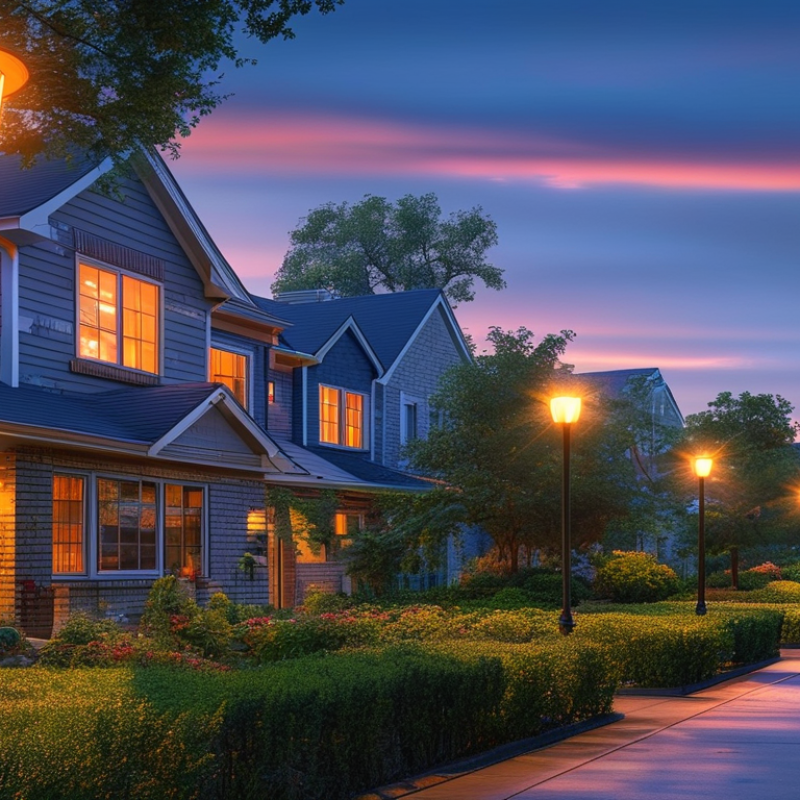
Understanding Lumens and Their Importance in Street Lighting
Understanding lumens is essential for effective street lighting. Lumens measure light output. For residential street lights, an adequate lumen range is crucial. Typically, a residential street light needs about 4,000 to 10,000 lumens. This range ensures sufficient visibility and safety for pedestrians and vehicles.
Different factors affect how many lumens are optimal. These include street width, surrounding environment, and the type of activity in the area. A well-lit street can greatly reduce crime rates, according to studies from the Illuminating Engineering Society. It highlights that proper lighting can decrease incidents by nearly 20%.
However, achieving the right balance is not straightforward. Over-illumination can create glare and contribute to light pollution. This is a growing concern in urban areas. It’s important to evaluate lumen output while considering environmental impacts. Adjusting lumens based on specific community needs can enhance both safety and sustainability.
Factors Influencing Lumens Required for Residential Street Lights
The brightness of residential street lights is measured in lumens. Various factors influence the lumen requirements. These include the street’s width, the type of traffic, and the desired light level for safety. Generally, lumens range from 1,500 to over 10,000, depending on these factors. For example, wider roads often need more lumens to maintain visibility.
Location plays a crucial role too. Urban areas usually require higher lumens due to traffic density. According to a 2022 industry report, a four-lane road may need around 12,000 lumens, while a quiet residential street may only need 5,000 for sufficient illumination. It’s essential to balance brightness with energy usage. This can prevent excessive light pollution, which affects nocturnal wildlife.
**Tips:** Consider installing LED fixtures for better efficiency. They provide high lumens per watt, saving energy. Evaluate light positioning to reduce shadows on sidewalks. Reassessing your street light plan can also lead to improvements in both safety and aesthetics.
Required Lumens for Residential Street Lights
Recommended Lumen Levels for Different Residential Areas
When it comes to residential street lighting, understanding lumen levels is vital. Different areas require specific brightness to ensure safety and comfort.
For sidewalks and pathways, a minimum of 200 lumens per fixture is recommended. This level provides adequate illumination, enhancing visibility during night-time walks.
In busier residential areas, such as entrances and parking lots, the needed lumen level increases to around 300-600 lumens. These spaces often see more foot traffic, necessitating better lighting to prevent accidents.
A study from the Illuminating Engineering Society (IES) suggests that these lumen levels reduce safety concerns and improve overall community well-being.
However, not all residential zones need the same lighting. Quiet streets might only require about 100-200 lumens. This softer light helps create a calming atmosphere while still maintaining safety.
It's essential to balance brightness and energy efficiency. Many municipalities grapple with determining the right light levels. Too much light can cause glare and disrupt local wildlife.
Adjusting lighting plans based on specific community needs is an ongoing challenge.
Comparing LED and Traditional Street Light Lumen Output
When choosing street lights for residential areas, understanding the lumen output is crucial. LED street lights shine brighter than traditional options. Typically, LED fixtures produce about 100-175 lumens per watt, while older lights, such as high-pressure sodium, offer around 70-120 lumens per watt. This significant difference affects visibility and safety on sidewalks and roads.
Moreover, LED lights last longer, providing up to 50,000 hours of service. In contrast, traditional fixtures often need replacement after just 20,000 hours. However, the upfront cost for LED lights can be higher. Communities must weigh these factors when planning budgets. It's easy to fall into the trap of immediate savings while overlooking long-term benefits.
Another consideration is light quality. LED lights emit a consistent white light that improves visibility, especially in foggy conditions. Traditional lights, often producing a yellow hue, can hinder clarity at night. While traditional options might seem reliable, the advancement in LED technology presents a compelling case for change. Balancing cost, quality, and maintenance is key for decision-makers.
Safety and Energy Efficiency Considerations in Street Lighting
Residential street lighting plays a crucial role in ensuring safety and energy efficiency. Proper lighting reduces accidents and enhances visibility for pedestrians and drivers. An average residential street light requires around 1200 to 1500 lumens. This level of brightness is necessary to ensure that streets are well-lit without being overwhelmingly bright.
However, achieving the right balance between safety and energy conservation can be challenging. Overly bright lights may cause glare, distracting drivers and endangering cyclists. This issue compels urban planners to reflect on their lighting choices. The goal is to provide optimal illumination that promotes safety while minimizing energy consumption. Many communities are exploring LED technology for its lower energy usage and longer lifespan.
The position of light fixtures is equally important. Installing lights at the right height and angle enhances coverage and minimizes shadows. Cities should also consider incorporating motion sensors. These can dim the lights when the streets are less busy. Though practical, such solutions require careful planning and assessment of effectiveness for various neighborhoods. Engaging with residents can offer insights into their perceptions and needs, leading to better decisions in street lighting design.
FAQS
: A minimum of 200 lumens per fixture is recommended for sidewalks and pathways.
Busier areas require 300-600 lumens to ensure better safety and visibility.
Proper lighting reduces accidents and enhances safety for pedestrians and drivers.
Quiet streets may only need 100-200 lumens for a calming atmosphere.
LED lights are brighter, last longer, and provide consistent white light for better visibility.
Balancing brightness with energy efficiency and avoiding glare are ongoing challenges.
Traditional lights last around 20,000 hours, while LED lights can last up to 50,000 hours.
Motion sensors can help dim lights when streets are less busy, enhancing safety.
The upfront costs of LED fixtures can be higher, causing hesitation in adoption.
Engaging with residents can provide insights into lighting needs and perceptions.
Conclusion
When considering the question, "How many lumens do I need for a residential street light," it's essential to understand the significance of lumens in street lighting. Lumens measure the amount of visible light emitted by a source, and their requirements can vary based on several factors, including the area’s layout, the level of foot traffic, and specific safety needs. Recommended lumen levels generally differ across residential zones, with higher brightness often needed for busier streets and lower levels suitable for more private or less trafficked areas.
Additionally, the type of lighting technology used plays a crucial role in lumen output. For instance, LED street lights typically provide higher lumens per watt compared to traditional lighting methods, leading to better energy efficiency. Safety considerations are paramount, as appropriately illuminated areas not only enhance visibility but also contribute to a secure environment for residents. Therefore, determining the correct lumen output is vital for effective residential street lighting that balances safety, visibility, and energy efficiency.

 Lumina Light