How Do Solar Street Lights Work on Cloudy Days?

Time:2026-07-19 Author:Amelia
0%

Solar street lights have gained popularity for their eco-friendly benefits. However, a common concern is their functionality during overcast weather. How do solar street lights work on cloudy days? This question requires a deeper understanding of solar technology and energy storage.

Cloudy days can limit sunlight exposure, potentially affecting solar power generation. Yet, solar street lights are designed to operate efficiently even in less-than-ideal conditions. Equipped with advanced solar panels and batteries, these lights can store enough energy from sunny days to function on cloudy ones. This means they maintain brightness and reliability.

It's essential to recognize that no system is perfect. Efficiency may vary based on the design and technology of the lights. Some installations may struggle during extended periods of poor weather. Users should consider these factors when choosing solar street lights. Ultimately, understanding how they work can help ensure optimal performance.
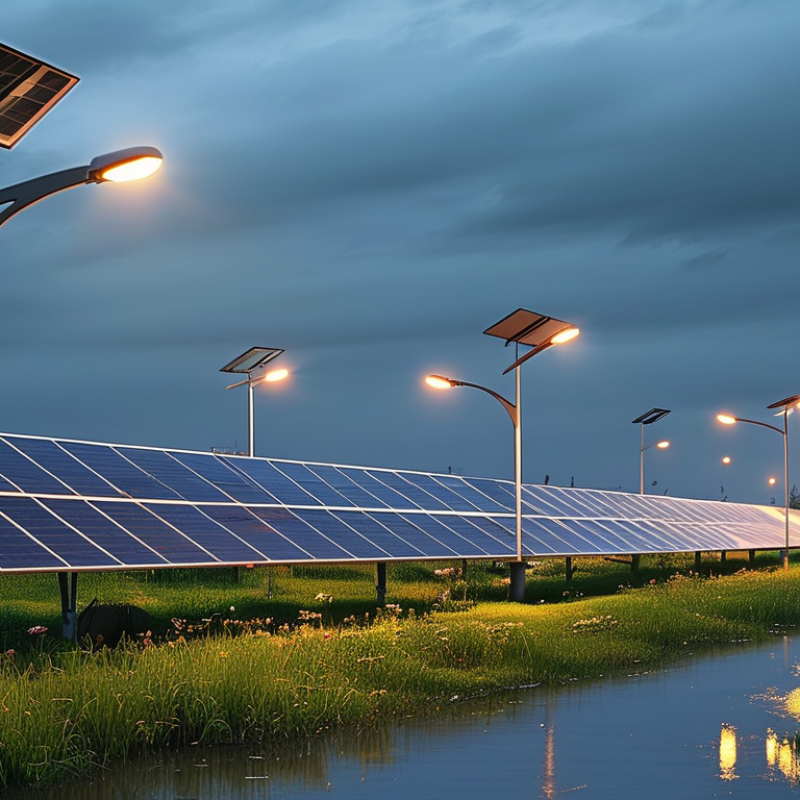
How Do Solar Street Lights Work on Cloudy Days?

Understanding Solar Street Lights: Basic Principles

Solar street lights harness solar energy to illuminate public spaces. They consist of solar panels, batteries, LED lights, and a control system. During sunny days, solar panels absorb sunlight, converting it into electricity. This energy charges the batteries, providing power once the sun sets, including on cloudy days.

On these overcast days, solar lights still function effectively. The solar panels can capture diffuse sunlight, albeit at a reduced efficiency. It’s crucial to position them correctly to maximize exposure. The battery capacity also plays a significant role, allowing stored energy to power lights through extended cloudy periods.

Tips:
Keep the solar panels clean. Dust and debris can decrease efficiency. Regular maintenance ensures optimal performance.

Consider installing solar lights with larger battery capacities. This helps them last longer on gloomy days. Adjust the angle of the panels seasonally for maximum sunlight exposure.

Incorporating smart technology can also enhance efficiency. Smart sensors can adjust brightness based on ambient light, prolonging battery life. These features help maintain reliable illumination even when sunlight is scarce.

Components of Solar Street Lights and Their Functions

Solar street lights consist of several key components, each designed to enhance their functionality and performance, particularly on cloudy days. The solar panel, typically made from monocrystalline or polycrystalline silicon, captures sunlight to convert it into electricity. Research indicates that monocrystalline panels are 15-20% more efficient than their polycrystalline counterparts. While cloudy weather reduces solar capture, these panels are still able to harness indirect sunlight effectively.

The energy collected is stored in a lithium-ion or lead-acid battery. These batteries power the LED lights during the night. Lithium-ion batteries, known for their long lifespans and faster charging abilities, have become increasingly popular. They can charge up to 40% faster and offer more cycles than traditional batteries. However, the performance of these batteries can decrease in colder climates, which is a drawback. Regular maintenance is advised to ensure optimal battery health.

Additionally, solar street lights often include a charge controller. This device prevents overcharging and regulates the power flow, crucial during prolonged cloudy days. While many systems are designed for efficiency, the performance variation in different weather conditions prompts further research. For instance, improvements in smart technology integration can help optimize energy usage based on weather forecasts. Continuous innovation in component design is essential for maximizing the reliability and functionality of solar street lights.

Solar Energy Absorption: Efficiency on Cloudy Days

Solar energy absorption in street lights is fascinating, especially on cloudy days. Research shows that solar panels can still collect energy when it's overcast. Studies indicate that efficiency can drop by 20-30% in low light conditions. However, this does not render solar street lights ineffective.

Many solar panels use monocrystalline or polycrystalline technology. Monocrystalline panels tend to outperform in cloudy weather, with efficiency at about 15-20%. In contrast, polycrystalline panels might achieve around 14-16% efficiency under similar conditions. This discrepancy highlights the importance of choosing the right technology for installation.

Nighttime energy storage is crucial. Solar street lights often come with batteries that store excess energy during the day. On cloudy days, these batteries can provide necessary power. Nevertheless, ineffective energy absorption can lead to the system running out of charge. Maintenance of the panels is essential to optimize performance, as dirt and debris can also hinder energy absorption.

Battery Storage and Its Role in Powering Lights

Solar street lights harness sunlight for illumination, but their efficiency can vary in cloudy weather. Battery storage systems play a critical role in maintaining consistent lighting during these times. According to a report by the Solar Energy Industries Association (SEIA), well-designed solar street lights can operate effectively even in low sunlight conditions. High-capacity batteries can store energy generated on sunny days, ensuring reliable power.

During cloudy days, the solar panels may produce limited energy. However, advanced battery technologies, such as lithium-ion batteries, can store more energy. These batteries typically have efficiency ratings of over 90%, according to research from the National Renewable Energy Laboratory (NREL). This efficiency is vital for managing energy reserves, especially in areas with frequent overcast conditions.

Tips: Invest in solar lights with quality battery storage. Regularly inspect battery health to ensure maximum efficiency. Remember, maintenance is key. If the system underperforms, check for shading from trees or nearby buildings. Proper installation can often mitigate these issues, ensuring you get the most from your solar investment.

Performance Comparison: Solar vs. Traditional Street Lighting

When comparing solar street lights to traditional street lighting, it's important to consider efficiency and performance, especially on cloudy days. Solar street lights utilize energy stored from the sun. They can still operate efficiently in overcast conditions, sometimes relying on battery reserves built up from sunnier days. Traditional street lights depend on a constant power supply. They shine consistently but can increase energy bills significantly over time.

Tips: To assess solar street light effectiveness, evaluate local weather patterns. If a region experiences frequent cloud cover, look for lights designed with larger battery capacities. These lights can provide extra support during low-sun periods.

Moreover, installation costs for solar lights tend to be higher upfront. However, savings on electricity bills can make solar an appealing option. Traditional lights are reliable but less efficient for energy conservation. Ultimately, choosing the right type depends on the specific needs of an area. Consider both short-term and long-term benefits before making a decision.

FAQS

: How do solar street lights work?

: Solar street lights use solar panels to convert sunlight into electricity, charging batteries for night use.

What happens on cloudy days?

Solar street lights still operate, though less efficiently. They rely on stored energy to maintain illumination.

Why is battery capacity important?

Larger battery capacities allow lights to last longer during gloomy weather, ensuring consistent performance.

How can I maintain solar panels?

Keep solar panels clean by removing dust and debris. Regular maintenance is essential for optimal efficiency.

What battery technology is most efficient?

Lithium-ion batteries are highly efficient, typically rated over 90%, and store more energy for cloudy conditions.

Are solar street lights more expensive?

They often have higher upfront installation costs, but long-term savings on energy bills can make them appealing.

How can I maximize solar panel exposure?

Adjust the angle of panels seasonally and ensure they are not shaded by trees or buildings.

When should I consider traditional lighting?

If consistent illumination is crucial and the area lacks sunlight, traditional lighting might be a better choice.

How does smart technology improve efficiency?

Smart sensors adjust brightness automatically, saving battery life and providing reliable light even when the sun isn't shining.

What should I do if my system underperforms?

Check for potential shading and inspect battery health regularly. Proper installation can resolve many issues.

Conclusion

Solar street lights operate by harnessing sunlight through photovoltaic cells, which convert solar energy into electricity. The key components include solar panels, batteries, and LED lights, each playing a crucial role in ensuring functionality, especially on cloudy days. Understanding "How do solar street lights work on cloudy days" involves examining their ability to efficiently absorb solar energy, albeit at reduced levels due to cloud cover.

Battery storage becomes vital in this context, as it allows surplus energy collected during sunny periods to be stored and utilized when sunlight is lacking. This system ensures that solar street lights remain functional even during inclement weather. A comparative analysis between solar and traditional street lighting highlights the growing efficiency and sustainability of solar solutions, reinforcing their value in modern urban infrastructure.

Amelia

Amelia

Amelia is a seasoned marketing professional with a wealth of expertise in our company’s core offerings. With an unwavering passion for driving growth and innovation, she plays a pivotal role in shaping our marketing strategies and enhancing brand visibility. A key aspect of her responsibilities......