China Top 10 Solar Lights Why Do They Turn On by Day?

Time:2026-11-18 Author:Amelia
0%

Solar street lights are designed to collect energy by day and illuminate roads after dark. So when a lamp glows beneath a bright afternoon sky, it is natural to wonder: Why do some solar street lights turn on during the day? The answer often involves the light sensor, but the sensor is only one part of the system. A shaded panel, loose connection, incorrect setting, or control-unit fault may also affect operation.

In a comparison of China’s top 10 solar lights, daytime behavior is worth checking alongside brightness, battery capacity, panel design, and weather resistance. Look for clear details about dusk-to-dawn controls and any manual or test mode. A lamp installed under a tree may read the surroundings as dim, even when nearby pavement feels sunny. Small details matter.

Not always.

If a light stays on for hours, its battery may have less stored energy for the night. Check whether the panel is clean and fully exposed, then review the product instructions before changing settings. If the problem continues, a technician can test the sensor and wiring safely. The diagnosis can be messier than a product page suggests, and a single symptom does not prove one specific fault. A dependable buying guide should explain these possibilities without promising that every daytime activation has the same cause. That makes it easier to compare products realistically and choose a solar light suited to its location.
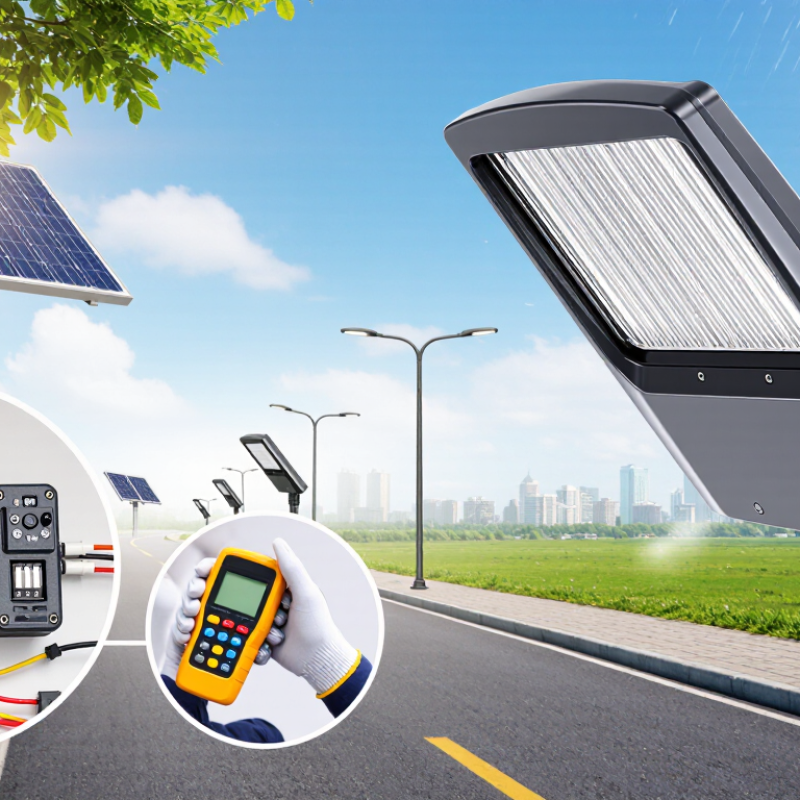
China Top 10 Solar Lights Why Do They Turn On by Day?

How Solar Lights Use Panels, Sensors, and Control Circuits

China Top 10 Solar Lights: Why Do They Turn On by Day?

Solar lights rely on three parts working together: a panel, a light sensor, and a control circuit. The panel charges the battery during daylight. At dusk, the sensor detects falling light levels and signals the circuit to power the lamp. If a light turns on at noon, the sensor may be shaded by leaves, dirt, or a nearby wall. It can mistake that shadow for night. A cloudy afternoon may also lower the panel’s output, though this alone does not always trigger the lamp.

The control circuit can contribute, too. Some lights have a test mode or a manual setting that keeps the LED on. A loose connection, aging battery, or damaged sensor may send confusing signals. Check the switch and mode first, then clean the panel and sensor with a soft, dry cloth. Move the light into open daylight and observe it for a full day. Small changes matter. Diagnosis is not always neat, especially when shade shifts across the panel.

Tips: Keep the sensor uncovered and away from porch lights or deep shadows. If the light still switches on in bright sun after basic checks, consult the product instructions or a qualified repair professional. Avoid opening sealed electrical parts; moisture can make a minor fault worse.

Why Solar Lights May Turn On During the Day

Solar lights should usually stay off while their panels charge. A built-in photocell measures surrounding light and tells the controller when to switch the lamp on. If the sensor is shaded by a porch roof, covered by dirt, or facing a dark wall, it may mistake daytime for dusk. Check the sensor first. A cloudy morning can confuse a poorly positioned sensor, but it should not keep the lamp glowing in bright daylight.

The IEA PVPS Snapshot of Global PV Markets 2024 estimates that worldwide solar photovoltaic capacity reached about 1.6 terawatts by the end of 2023. That scale highlights how much solar generation depends on available daylight, but it does not identify faults in individual lights. For a practical check, clean the panel and sensor, then briefly cover the sensor; the lamp should respond if its control circuit works. If it stays on in full sun, a damaged photocell, loose connection, or failing controller may be responsible. Battery problems can also complicate the symptoms, and diagnosis is not always obvious. Recheck the wiring and instructions before replacing parts.

How to Diagnose Daytime Activation Step by Step

When a solar light switches on during daylight, begin with its power setting. Some units have an off, steady, or motion-sensing mode, and a button can be easy to press accidentally. Start at the switch. Check the manual if the controls are unclear. Then inspect the light sensor, if the unit has a separate one. Dust, leaves, or a dark cover can make it detect nighttime. Wipe the sensor gently with a dry cloth and move nearby objects away.

Next, test it in open shade, not under a roof edge or dense tree. The solar panel also acts as the light sensor on some models, so shade on the panel may trigger the lamp. Covering the sensor briefly can help confirm its response, but the test differs by design. I would not call the light faulty yet. That assumption can waste time.

If it still turns on in bright daylight, switch it off, then on again, and allow it to charge in direct sun. Check for loose wiring, moisture, or a cracked sensor window; do not open a sealed unit unless its instructions permit it. Compare its behavior after dusk. A weak battery may cause erratic operation, though it does not explain every daytime activation. If the problem persists after these checks, note the weather, setting, and activation time before contacting the seller or a qualified repairer.

China Top 10 Solar Lights: Why Do They Turn On by Day? — How to Diagnose Daytime Activation Step by Step

Step What to Check How to Diagnose Likely Cause Recommended Action
1 Operating mode Check the product instructions and remote control. Some lights have a continuous-on, test, or manual mode that can operate in daylight. The light is set to a mode that overrides its dusk-to-dawn sensor. Select the normal dusk-to-dawn or motion-sensor mode, then retest after covering the sensor briefly.
2 Sensor coverage Locate the photocell or light-sensing window. Confirm that it is not covered by tape, dirt, packaging, or an installation bracket. The sensor cannot detect ambient daylight. Remove obstructions and clean the sensor gently with a soft, dry cloth.
3 Direct light falling on the sensor Observe the sensor at the time the light switches on. Check whether sunlight or a nearby lamp is shining directly onto it. Light reflected or redirected away from the sensor makes it interpret the surroundings as dark. Reposition the fixture or sensor so it receives a representative view of the surrounding daylight.
4 Nearby shadows Check whether eaves, trees, walls, signs, or other objects shade the sensor during the day. The sensor is in a shaded spot even though the surrounding area is bright. Move the light or sensor to an area with a clearer view of the sky and daylight.
5 Sensor setting or sensitivity If the model has a dusk-sensitivity or photocell adjustment, check its setting against the instructions. The light threshold is set too high, so the unit treats ordinary daylight as darkness. Adjust the threshold gradually toward a lower sensitivity to darkness, following the product instructions.
6 Motion detection area For motion-activated models, check whether movement from people, vehicles, pets, or moving branches triggers the light. The motion sensor is activating the light; this may be normal if daylight operation is enabled. Use a daylight lockout setting if available, and adjust the detection direction or range as instructed.
7 Charging and battery condition Check whether the light has received several hours of suitable direct sunlight. Look for a low-battery indicator if the model provides one. Low charge or a weak battery can cause irregular operation, especially in models with electronic controls. Allow the panel to charge in direct sun, check its connections, and replace a user-replaceable battery only with the specified type.
8 Solar panel and wiring connections Inspect the panel cable and accessible connectors for looseness, damage, moisture, or incorrect connection. A poor connection can interrupt charging or sensor operation. Reconnect accessible plugs securely. Do not open sealed electrical components; contact the seller or a qualified repairer if damage is visible.
9 Reset or startup behavior After installation, check the manual for a power switch, transport tab, reset procedure, or required first-charge period. The light may be in a temporary test or startup state. Follow the model-specific startup instructions, then test it by covering the photocell for the period specified in the manual.
10 Photocell or control-board fault If the light still turns on in bright daylight after the mode, placement, and settings have been checked, repeat the test in a different location. The photocell, sensor circuit, or control electronics may be faulty. Check the warranty and request repair or replacement. Avoid bypassing the sensor or modifying sealed circuitry.

Quick test: In bright daylight, cover only the photocell with an opaque cloth for the time stated in the product instructions. If the light turns on while the sensor is covered and turns off when uncovered, the sensor is responding; investigate its placement, settings, or surrounding light. Sensor locations and test procedures vary by model.

China’s Top 10 Solar Lights and Their Key Features

Solar lights suit different spaces, and their useful features matter more than a universal ranking. These ten common styles cover most home needs. Pathway stake lights provide low, downward illumination along garden edges. Motion-sensing wall lights brighten entrances when movement is detected. String lights add soft points of light to balconies and patios. Solar lanterns offer portable, diffused lighting for tables or sheltered corners. Spotlights direct a tighter beam toward trees, signs, or architectural details. Small details matter.

Floodlights cover wider areas, often with adjustable heads and motion sensors. Deck and step lights sit low, helping mark changes in level without harsh glare. Post-cap lights fit over compatible fence or deck posts, so measurements are essential. Decorative garden lights prioritize shape and color, though their output may be modest. Portable solar lights combine a rechargeable battery with a handle or stand for flexible placement. Check panel size, battery capacity, weather rating, and replacement options before choosing. Shade, dust, and winter daylight can reduce charging, even when a product’s stated runtime looks generous. A light that turns on during the day may have a shaded or dirty panel, a sensor issue, or a wiring fault; testing it in direct sun is a sensible first check. These distinctions are easy to overlook.

Solar Lights: Why Do They Turn On by Day?

Typical illuminance ranges help explain how a dusk-to-dawn sensor distinguishes daylight from darkness.

Lux ranges are approximate and vary with weather, location, and measurement conditions. A solar light may turn on during the day if its light sensor is shaded, dirty, faulty, or set to an unsuitable mode. Sensor thresholds differ by model, so check the product instructions and keep the sensor exposed to daylight.

How to Choose and Maintain a Reliable Solar Light

China Top 10 Solar Lights: Why Do They Turn On by Day?

How to Choose and Maintain a Reliable Solar Light

A dependable solar light needs a well-matched panel, battery, and dusk sensor. Check the battery capacity and expected runtime, not brightness alone. Choose a weather-resistant housing and a battery that can be replaced according to the manual.

NREL’s review of photovoltaic field studies reported median module degradation of about 0.5% per year. That figure describes panels, not the lifespan of a complete light, but it shows why panel quality matters over time. Small details matter.

For routine care, wipe dust and bird marks from the panel with a soft, damp cloth. Keep nearby plants from shading it, and check that the panel receives several hours of direct sunlight.

If a light turns on during the day, inspect the sensor for shade, dirt, or a loose connection. Test it after sunset; persistent daytime activation may indicate a failed sensor or wiring issue. Don’t open sealed components unless the manufacturer’s instructions allow it.

Tips: Aim the panel toward open sky, keep the sensor unobstructed, and replace aging batteries with the specified type. After heavy rain, check for moisture inside the housing.

FAQS

Why does a solar light turn on during the day?

Its sensor may be shaded, dirty, or facing a dark wall. It can mistake daylight for dusk.

How can I check whether the light sensor works?

Briefly cover the sensor. The lamp should respond if its control circuit works.

What should I clean first?

Wipe dust and bird marks from the panel and sensor with a soft, damp cloth.

Can cloudy weather cause daytime activation?

A cloudy morning may confuse a poorly positioned sensor. It should not stay on in bright sunlight.

What if the light stays on in full sun?

A damaged sensor, loose connection, or failing controller may be responsible. The cause is not always obvious.

What should I consider when choosing a solar light?

Check battery capacity, expected runtime, weather resistance, and whether the battery can be replaced. Brightness alone can mislead.

How much sunlight should the panel receive?

Aim it toward open sky and give it several hours of direct sunlight. Keep nearby plants from shading it.

What should I check after heavy rain?

Look for moisture inside the housing. Follow the manual before opening sealed parts; guessing can make diagnosis messier.

Conclusion

Solar lights rely on photovoltaic panels to charge a battery, while sensors and control circuits determine when the light should switch on. If a light activates during the day, possible causes include a panel shaded by dirt or nearby objects, a weak battery, a faulty light sensor, loose wiring, or incorrect settings. The question “Why do some solar street lights turn on during the day” can often be answered by checking whether the sensor is receiving enough daylight or whether the system is detecting an electrical or charging problem.

A step-by-step diagnosis can begin with cleaning and repositioning the panel, then checking the battery, connections, sensor, and operating mode. China’s top 10 solar lights can be compared by features such as brightness, battery capacity, weather resistance, sensor functions, and ease of installation. Choosing a reliable light means matching these features to its location and needs. Regular cleaning, secure connections, and timely battery checks can help maintain dependable performance.

Amelia

Amelia

Amelia is a seasoned marketing professional with a wealth of expertise in our company’s core offerings. With an unwavering passion for driving growth and innovation, she plays a pivotal role in shaping our marketing strategies and enhancing brand visibility. A key aspect of her responsibilities......