Why Do My Solar Street Lights Not Last All Night?

Time:2026-04-29 Author:Sienna
0%

When considering outdoor lighting solutions, solar street lights offer many benefits. However, homeowners often face a troubling issue: “Why are my solar street lights not staying on all night?” This concern can lead to frustration and confusion. Understanding the reasons behind this problem is crucial for effective use.

Several factors contribute to solar street lights not illuminating throughout the night. One of the primary reasons is inadequate sunlight exposure during the day. If the solar panels are frequently shaded, they may not charge fully. Additionally, the quality of the batteries plays a significant role. Low-quality or aging batteries might lose their ability to retain charge, causing premature dimming.

Other elements can influence performance as well. Poor weather conditions like rain or snow can block sunlight. Environmental factors such as dirt or debris on the solar panels may also hinder their effectiveness. It's essential to troubleshoot these aspects before deciding on replacements. By recognizing these common issues, users can enhance the longevity and reliability of their solar street lights. Engaging with experts can also provide valuable insights for maintaining optimal functionality.
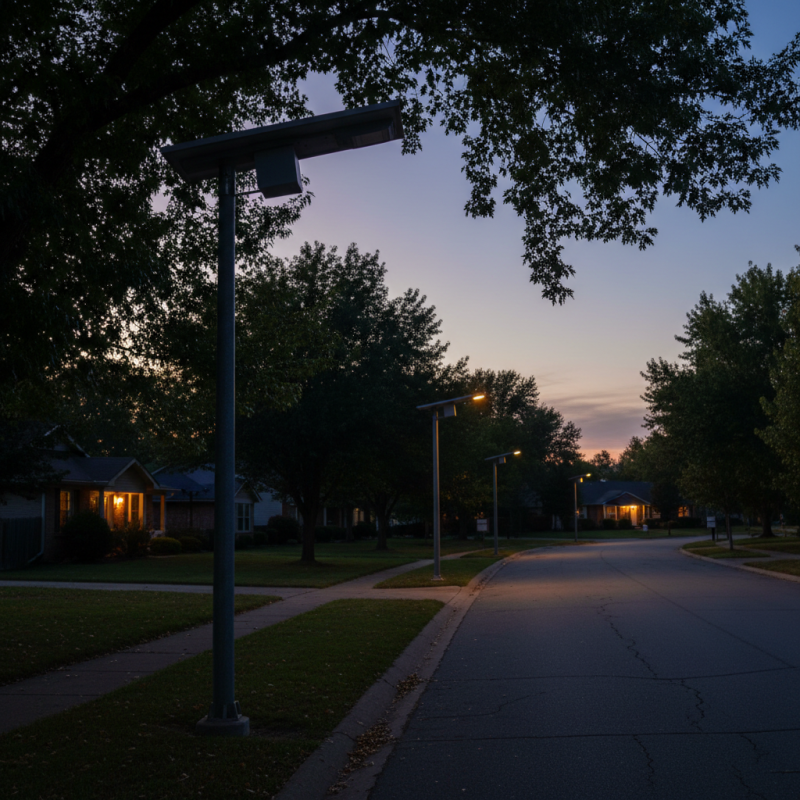
Why Do My Solar Street Lights Not Last All Night?

Understanding Solar Street Lights and Their Functionality

Solar street lights offer a sustainable solution for public lighting. They harness solar energy during the day and use it to illuminate streets at night. However, some users find that these lights often don’t last the entire duration of the night. This issue can stem from various factors related to their design and functionality.

A key element is the solar panel's efficiency. Poor sunlight exposure can lead to insufficient charge. Additionally, battery quality plays a crucial role in performance. Cheaper batteries may drain quickly, resulting in reduced illumination time. Temperature variations also impact battery life. Extreme cold or heat can shorten the charging capacity. The type of LED used can affect brightness and duration as well.

Another aspect to consider is the installation angle of the solar panel. If it cannot capture sunlight effectively, performance decreases rapidly. Finally, regular maintenance is essential. Dirt or debris can obstruct sunlight, affecting charging. Users should periodically check and clean their lights to ensure optimal functionality. A combination of these factors can explain why solar street lights might not provide consistent all-night illumination. Gathering insights into these elements can help in achieving better performance.

Common Reasons for Inadequate Runtime of Solar Street Lights

Solar street lights play a crucial role in urban lighting. However, you might notice they don't last the entire night. Several factors could be affecting their runtime.

One major reason is inadequate sunlight during the day. If the solar panels are not receiving enough sunlight due to shading from trees or buildings, they can't charge adequately. Additionally, dirt or debris on the panels can lower their efficiency. Regular cleaning is essential to keep them functional.

Battery performance is another critical factor. If the batteries are old or of low quality, they may not hold a charge effectively. Battery life can also diminish if they are exposed to extreme temperatures. Pay attention to the quality of the batteries when installing solar street lights. It’s important to consider these factors to ensure your lights work as intended throughout the night.

Impact of Battery Capacity on Nighttime Performance

Battery capacity plays a crucial role in the performance of solar street lights. These lights rely on stored solar energy to function during the night. A smaller battery may drain quickly, causing the light to shut off prematurely. This limitation can lead to dark areas, raising safety concerns. An insufficient battery means it may not capture enough energy during the day.

Consider the factors affecting battery capacity. Variations in sunlight, temperature, and usage can all impact how much energy is stored. If the solar panels are shaded or obstructed, they will collect less sunlight. Similarly, colder temperatures can decrease battery efficiency. Regular maintenance is essential to ensure that solar panels are clean and unobstructed.

Reflecting on your current setup is important. Are you using the right battery size for your needs? A robust battery could provide extended performance. However, investing in a larger capacity battery may not always be feasible. Additional considerations include the costs, installation, and space for larger batteries. Balancing these factors is essential for optimal performance.

Why Do My Solar Street Lights Not Last All Night? - Impact of Battery Capacity on Nighttime Performance

Battery Capacity (Ah) Average Runtime (Hours) Charge Time (Hours) Light Intensity (Lumens) Temperature Impact (°C)
5 4 6 800 -10 to 40
10 8 8 1200 -10 to 40
20 12 10 1600 -10 to 40
30 14 12 2000 -10 to 40

Effects of Weather and Seasonal Changes on Solar Light Longevity

Weather and seasonal changes significantly impact the longevity of solar street lights. According to a study by the Solar Energy Industries Association, solar lights can lose up to 20% of their efficiency due to poor weather conditions. During cold winters, battery performance can drop, leading to reduced lighting time. Similarly, prolonged cloudy days can hinder solar panel charging, causing lights to run out early.

Another factor to consider is the temperature. Extreme heat can also shorten battery life. Many solar lights are designed for specific temperature ranges. If the local climate exceeds these, performance suffers. Rain and snow add to the battery stress, affecting how long lights operate at night.

Tip: Ensure your solar lights are installed in areas with maximum sun exposure. This simple adjustment can extend their lifespan.

Regular maintenance is essential. Clean the solar panels periodically. Dust, dirt, or snow can block sunlight and reduce efficiency.

Tip: Consider upgrading to lithium batteries, which perform better in various temperatures compared to standard lead-acid batteries. They offer longer-lasting performance, particularly in challenging weather conditions.

Maintenance Tips to Extend the Life of Solar Street Lights

Solar street lights can sometimes fall short of expectations, failing to last through the night. This usually stems from insufficient maintenance. Regular checks on solar panels and batteries are critical. Dirt or debris can hinder the charge received during the day. Cleaning the panels can lead to better performance.

Battery health is another key factor. Over time, batteries may lose their capacity. It’s crucial to monitor their condition and replace them when needed. Additionally, ensuring proper installation angles is vital for optimal sunlight exposure. A slight adjustment could make a significant difference in efficiency.

Moreover, it’s worth noting that not all units are created equal. Some may not be built to last. Users should be aware of these limitations. Regularly assessing the system's performance helps identify issues early. This proactive approach can lead to longer-lasting functionality.

FAQS

: What do solar street lights use to function?

: They use solar energy collected during the day to illuminate streets at night.

Why might solar street lights not last all night?

Insufficient charger performance, battery quality, and environmental factors may cause shorter illumination times.

How does sunlight exposure affect solar street lights?

Limited sunlight can prevent efficient charging, reducing the battery's ability to power the lights.

What can impact the battery life of solar street lights?

Temperature extremes and the type of battery used can affect how well the lights perform.

Why is regular maintenance important for solar street lights?

Dirt and debris can block sunlight, reducing charging efficiency, which can lead to performance issues.

What should I check to maintain my solar street lights?

Regularly inspect the solar panels, batteries, and installation angles to ensure optimal functionality.

Can the angle of the solar panel affect performance?

Yes, improper angles can lead to reduced sunlight capture and efficiency. Adjustments may help.

What indicates the need to replace a battery?

If the batteries seem weak, show reduced capacity, or fail to charge effectively, they may need replacement.

Do all solar street light units perform equally?

No, some units may be of lower quality and not built to last effectively.

How can I identify performance issues early?

Regular assessments and checks can help spot problems, leading to timely maintenance or repairs.

Conclusion

Solar street lights are a sustainable lighting solution, relying on solar energy to function. However, many users often wonder, "Why are my solar street lights not staying on all night?" This issue can stem from several factors. Common reasons include insufficient battery capacity, which directly affects how long the lights can illuminate after sunset. Additionally, adverse weather conditions and seasonal changes can impede solar energy collection, further reducing nighttime performance.

To ensure optimal functionality, regular maintenance is essential. This includes keeping solar panels clean and ensuring the batteries are in good condition. Understanding the relationship between battery capacity and runtime, as well as proactively addressing environmental impacts, can significantly extend the life and performance of solar street lights, helping to ensure they remain operational throughout the night.

Sienna

Sienna

Sienna is a skilled marketing professional with a deep expertise in our company’s core products and services. With a passion for innovation and detail, she plays a pivotal role in crafting insightful blog posts that not only highlight the unique features of our offerings but also provide valuable......