Engineered for architectural engineering, municipal installations, and high-efficiency performance.
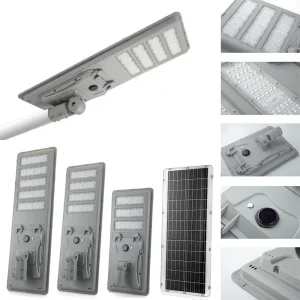
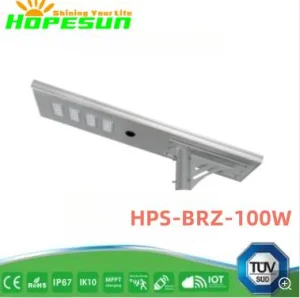
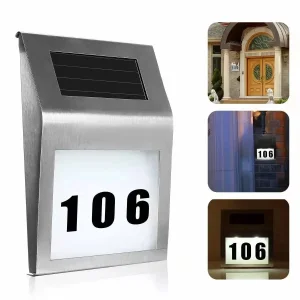
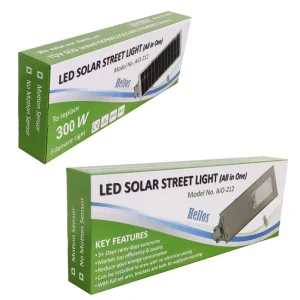
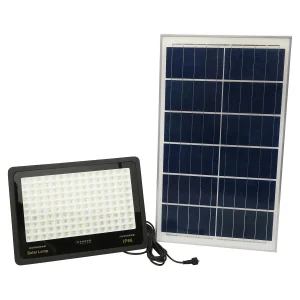
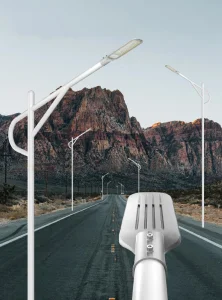
Founded in 2021, Foshan Lumina Light Co., Ltd. is a forward-thinking and innovative manufacturer specializing in photovoltaic technology and integrated clean-energy microgrid systems.
We focus on the R&D, structural design, thermal simulation, and production of integrated solar lighting and battery energy storage systems (BESS). Our product portfolio bridges the gap between clean energy capture and low-loss storage, offering global distributors, EPC contractors, and municipal bodies robust off-grid solutions that minimize Levelized Cost of Energy (LCOE).
Since our establishment, we have adhered to the core philosophy of "Technology-Driven Excellence, Quality-Rooted Trust," incorporating intuitive, user-friendly designs, low-maintenance convenience, and long-term reliability into every stage of R&D and production. By utilizing high-capacity Lithium Iron Phosphate (LiFePO4) chemistry and smart MPPT trackers, our products consistently deliver industry-leading operational runtimes under demanding conditions.
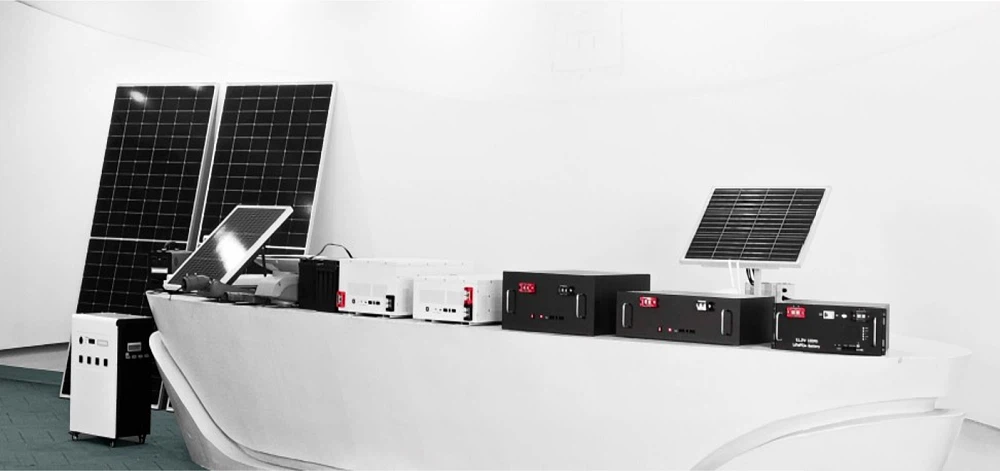
At Foshan Lumina Light, we pride ourselves on providing high-performance solar products and tailored power solutions to strategic partners in over 100 countries and regions worldwide. Our commitment to global standards of quality is reflected in our active participation in key international certification systems, ensuring that our products meet the highest benchmarks. As a result, our range of solar products has received full international certifications, including CQC, CE, ROHS, IEC, TUV, and SGS, giving our customers confidence in our products and facilitating smooth market access in diverse regions.
Evaluating utility grid instability, localized carbon taxation, and structural cost-containment strategies.
The global transition from fossil-fuel reliance to decarbonized distributed grids has changed the role of energy storage from a luxury to an essential infrastructure. Utilities worldwide are shifting toward dynamic, time-of-use (TOU) tariffs. Commercial & Industrial (C&I) operators face rising demand charges, and municipal planners must design self-sustaining outdoor infrastructure. Distributed Solar Energy Storage Systems (SESS) provide localized peak-shaving, load-shifting, and emergency reserve capabilities.
In regions such as North America, Western Europe, and parts of the Asia-Pacific, structural upgrades to existing grids lag behind the deployment of variable wind and solar energy. This mismatch leads to high transmission congestion and frequent power quality events. Integrating high-cycle Lithium Iron Phosphate (LFP) energy storage systems directly at the load point helps mitigate these issues, shielding operations from sudden grid drops, lowering overall power expenses, and supporting localized green building initiatives like LEED and BREEAM.
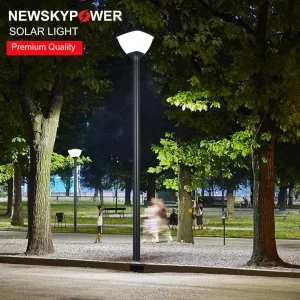
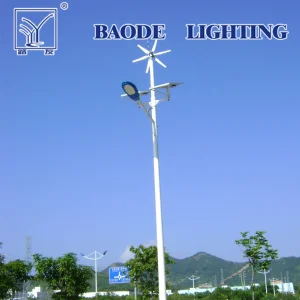
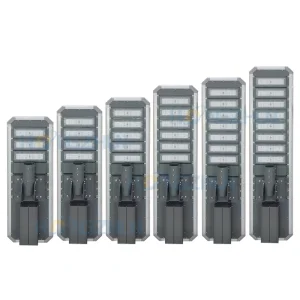
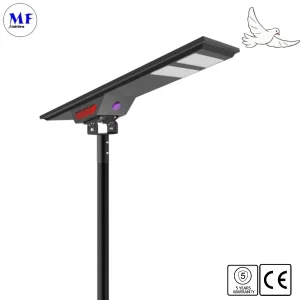
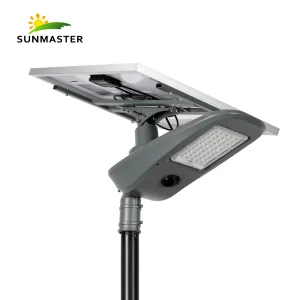
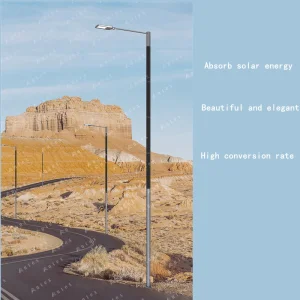
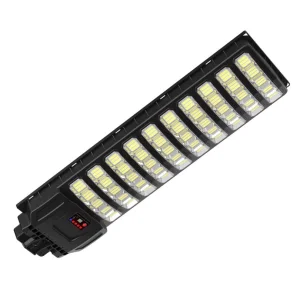
Smart municipal lighting systems combine split-type and all-in-one solar street luminaires with IoT tracking, maintaining public safety while operating independently of grid outages.
Delivering reliable clean power to remote geographical areas via robust, plug-and-play solar home power kits and modular energy storage systems, reducing reliance on diesel generators.
Empowering factories and commercial parks to peak-shave and store excess daylight solar energy, lowering high demand charges and providing stable backup power.
Our vision for advancing solid-state energy storage, edge-computing BMS, and hyper-efficient luminaires.
Deployment of advanced LiFePO4 cells with smart Battery Management Systems (BMS) that actively balance cells to maximize lifetime capacity. Utilizing high-efficiency 5050 and 3030 LED chips with high lumens-per-watt efficiency to reduce thermal load and power draw.
Integration of intelligent IoT gateways that collect environmental data, enabling solar lighting and storage networks to optimize dimming curves and charge rates dynamically based on weather predictions and historical local usage patterns.
Research into semi-solid-state lithium energy storage to double volumetric energy density and broaden functional temperature tolerances (-30°C to 65°C), while maintaining high safety standards under extreme physical stress.
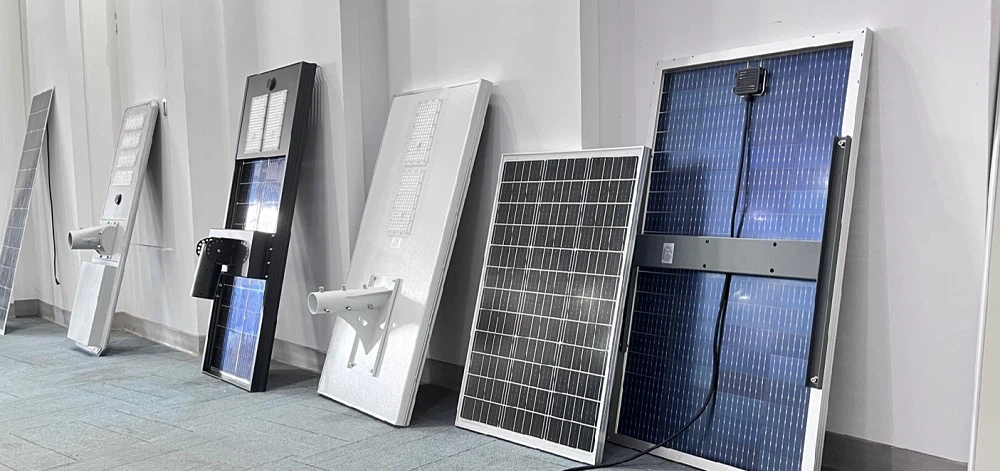
Our factory is located in Foshan, Guangdong—a hub for advanced electronics, manufacturing, and supply chain logistics. This location grants us reliable access to high-grade steel, precision aluminum extrusion, raw battery components, and clean-room semi-conductor testing facilities.
By managing our production processes vertically—from structural CAD layout design and PCB stencil printing to final load bank testing and humidity chambers—we maintain strict quality control and cost efficiency. Our OEM/ODM capabilities allow partners to request custom configurations, such as adjustable mounting systems, custom pole heights, specialized optical distributions, and battery bank expansions.
Our adherence to strict global safety regulations simplifies localization, permitting, and grid-connection approvals.
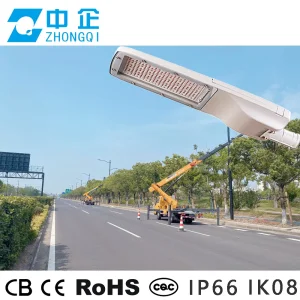
All products are built in ISO 9001:2015, ISO 14001, and ISO 45001 certified environments. The physical enclosures are IP65, IP66, or IP67 rated, offering long-term protection against heavy dust, rain, and humidity. They also undergo salt-spray exposure testing to verify corrosion resistance in coastal deployments.
Our battery modules comply with UN38.3 transport safety regulations, IEC 62619, and CE-LVD criteria. Our smart grid-tied hybrid systems are designed to coordinate with local utility rules, featuring anti-islanding protection and rapid shutdown capabilities to safeguard utility technicians working on power lines.
Answering critical technical, logistics, and integration questions for engineering partners and global procurement directors.
Select a product configuration below to request technical drawings, photometric files, and bulk pricing.
 Lumina Light