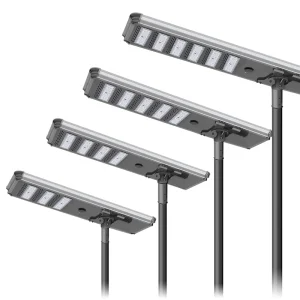
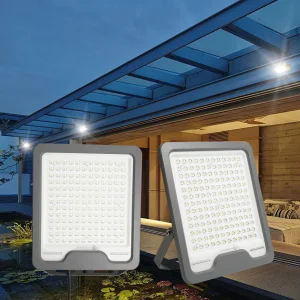
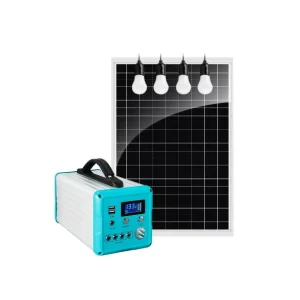
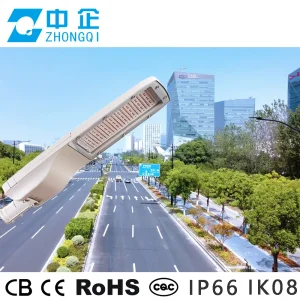
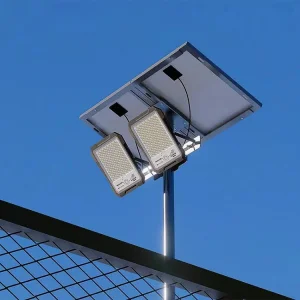
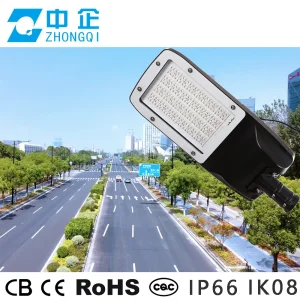
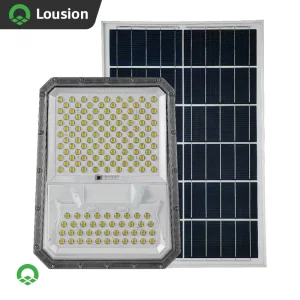
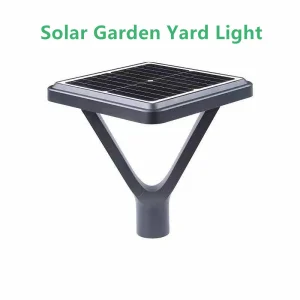
Explore our high-efficiency industrial outdoor lighting portfolio engineered for municipal roads, highways, airports, and remote yards.
Global infrastructure assets—ranging from deep-water ports, municipal highways, remote civil airports, and massive mining operations—demand highly resilient outdoor lighting structures. Historically, traditional grid-tied systems or consumer-grade solar lights have proven insufficient due to high installation overheads, voltage drop vulnerabilities over long transmission lines, and short battery lifespans in extreme weather.
As a specialized leader in advanced photovoltaic development, Foshan Lumina Light Co., Ltd. (established in 2021) has engineered a portfolio of industrial-grade solar luminaires. We bridge the gap between architectural-grade LED efficiency and autonomous renewable power storage. Adhering to our core philosophy of "Technology-Driven Excellence, Quality-Rooted Trust," we deliver low-maintenance, long-lifetime, and intelligent illumination solutions that significantly reduce municipal operating expenses (OpEx) while reinforcing critical environmental compliance frameworks.
Designed to thrive under harsh thermal ranges, saline corrosion, and sustained storm conditions.
"Industrial Grade" is not a marketing term; it is a structural standard. In outdoor and off-grid conditions, lighting fixtures face rapid temperature fluctuations, high relative humidity, mechanical stress from wind loads, and intense UV exposure. Foshan Lumina Light integrates key technical milestones into our product line to address these environmental threats:
Utilizing high-frequency Zigbee, LoRa, 4G, and Narrowband IoT protocols. Municipalities can control, schedule, and receive instant diagnostic error alerts from individual poles, optimizing maintenance dispatch intervals.
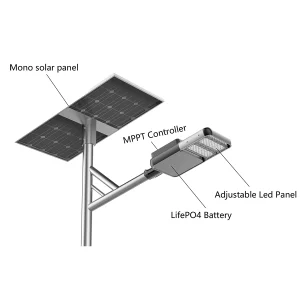
We strictly deploy high-grade Lithium Iron Phosphate cells governed by safety-monitored Battery Management Systems (BMS). The cells retain high charging efficiency and safety even in ambient temperatures ranging from -20°C up to 60°C.
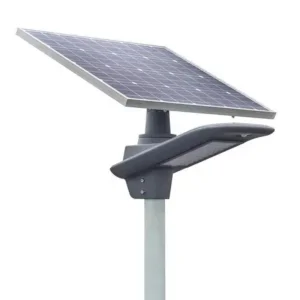
Maximum Power Point Tracking (MPPT) micro-controllers optimize PV panel output under low-light or overcast conditions, achieving up to 30% higher charging rates than conventional PWM solar controllers.
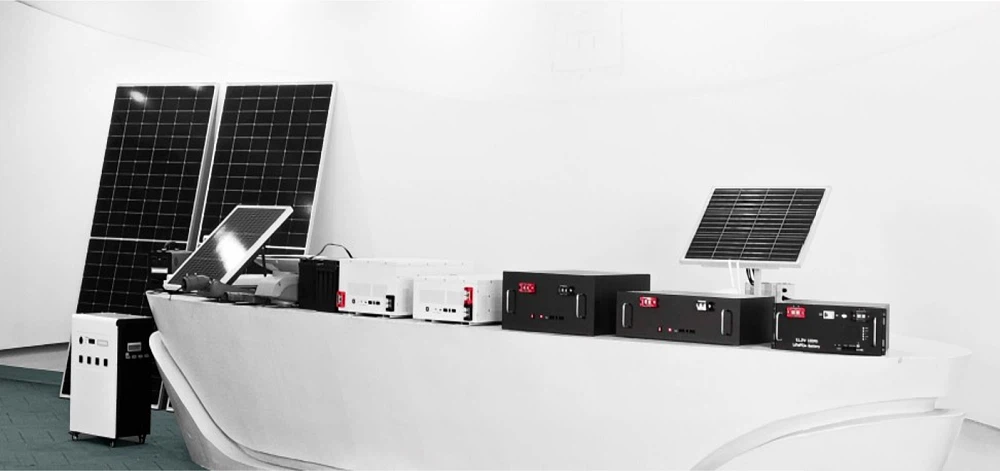
Operating out of Foshan, the geographic heart of modern solid-state lighting and electronics fabrication, Foshan Lumina Light Co., Ltd. capitalizes on deep vertical integration. By handling raw aluminum die-casting extrusion, precision SMT circuit board populations, optical lens molding, and comprehensive environmental testing in-house, we secure complete command over our QA process.
This integrated ecosystem minimizes assembly bottlenecks, enabling fast delivery times for bulk governmental procurements and municipal bids. Through our comprehensive OEM and ODM consulting services, partners receive custom mechanical designs, specialized color temperatures, and smart controller setups to establish their own dominant market brands.
Tested and verified in extreme, real-world outdoor operations.
Demands non-disruptive, highly precise illumination profiles. Our dedicated 1800K light pole assemblies provide warm, high-visibility lighting that prevents glare interference for pilots and air traffic controllers, while remaining integrated with motion sensors and security cameras.
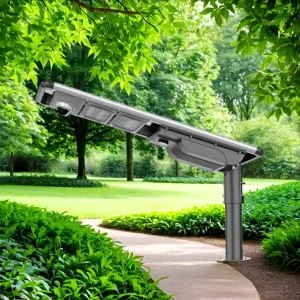
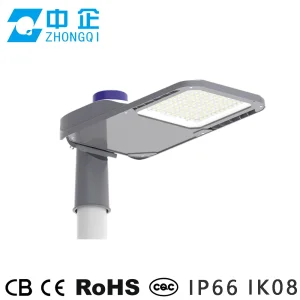
Intelligent, interconnected highway networks use our split-type IoT street lamps. Armed with remote diagnostic capabilities and smart dimming profiles, they scale back energy use during low-traffic hours and ramp up output when integrated sensors detect oncoming vehicles.
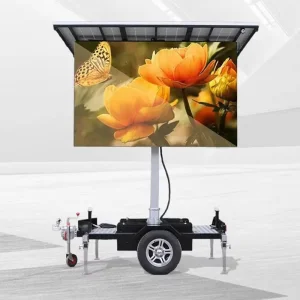
Mobile solar-powered trailers equipped with high-brightness LED billboard signs provide rapid deployment capabilities. These systems supply constant lighting and real-time informational graphics without needing heavy fuel-consuming diesel generators.
The horizon of off-grid solar infrastructure is moving toward autonomous, smart grid edge networks. Over the next five years, Foshan Lumina Light is scaling up our development of next-generation photovoltaic hardware, focusing on the following strategic areas:
1. Perovskite-Silicon Tandem PV Integration: We are testing tandem cell materials to push optical conversion limits beyond 28%, significantly reducing the required surface area of solar panels on pole-mounted fixtures.
2. Solid-State Battery Development: To resolve thermal limitations in sub-zero alpine climates and high-temperature desert regions, our next-generation battery architectures will utilize solid-state electrolytes to guarantee safety and prevent thermal runaway.
3. AI Edge Compute Nodes & V2X: Upgrading luminaire controller nodes to interface directly with smart vehicle networks (Vehicle-to-Everything), enabling solar poles to act as roadside edge nodes that collect and process traffic safety and environmental data.
Entering municipal tenders requires strict compliance with domestic and international safety standards. At Foshan Lumina Light, our solar systems are manufactured under stringent quality protocols, ensuring seamless import and distribution processes across regions.
Whether it involves evaluating specific wind loads for coastal installations, modifying light distribution angles to meet local dark-sky laws, or securing structural engineering certifications, we support our partners at every step. This close collaboration ensures project compliance, helps minimize environmental impact, and supports the transition to sustainable energy.
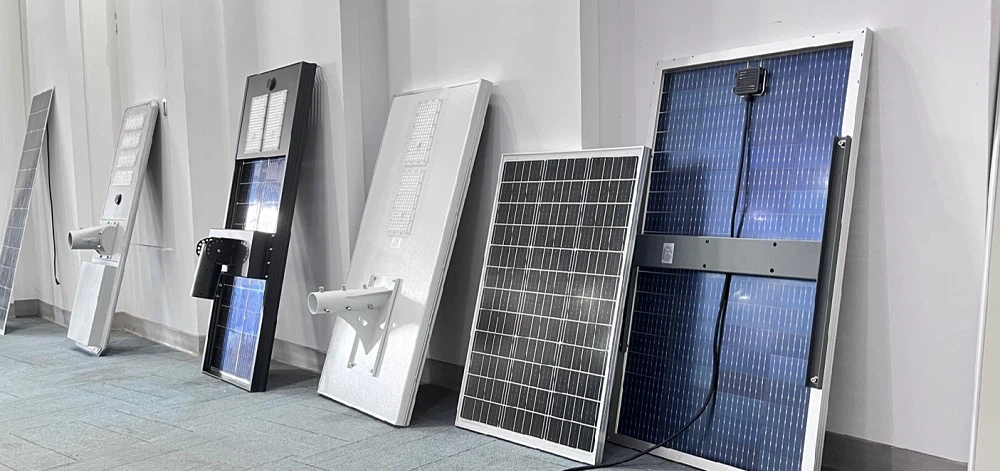
Technical answers to common questions about selecting, deploying, and maintaining high-performance solar lighting systems.
Explore our high-performance solar floodlights, street lights, and home power systems designed for absolute energy independence.
 Lumina Light