Analyzing the macro trends, environmental demands, and engineering benchmarks of Jetty Solar Lighting Systems in modern ports and commercial harbors.
Marine environments require rugged infrastructure. Port operators globally are moving toward sustainable off-grid solar systems to reduce carbon emissions and operational maintenance costs in harsh saline conditions.
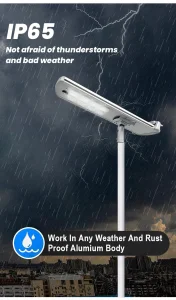
Jetty structures face continuous salt spray, requiring marine-grade protection. Top factories leverage customized C5-M anti-corrosion powder coatings and high-grade anodized aluminum shells to prolong solar component lifespan.
Unlike standard urban street lights, jetty solar setups must guarantee illumination during storm periods. Integrating smart MPPT controllers and oversized LiFePO4 batteries ensures 5 to 7 days of continuous illumination.
Why standard commercial lighting fails on piers, and the technical specifications required to withstand high UV, salt fog, and hurricane winds.
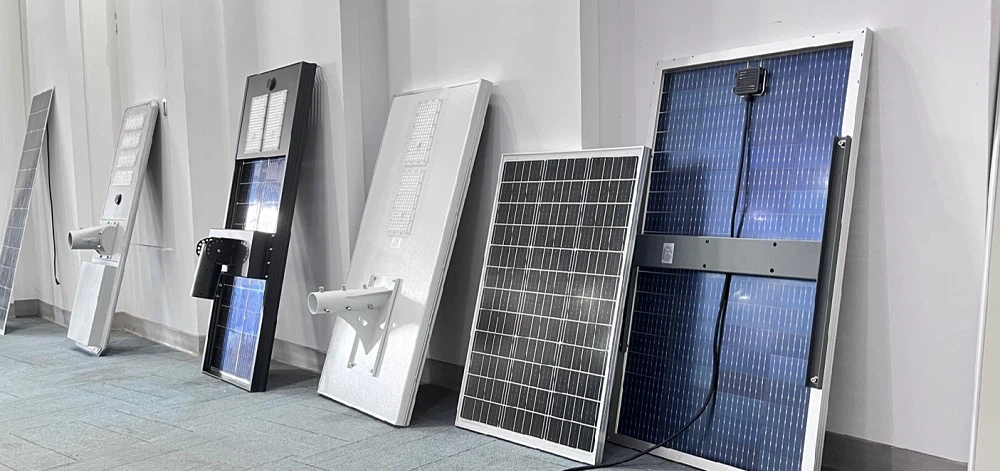
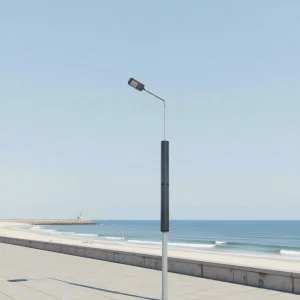
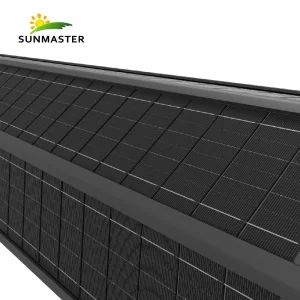
Traditional flat horizontal solar panels collect dust, bird droppings, and are prone to wind shear damage in coastal regions. Modern suppliers offer vertical wrap solar street light poles (Cylinder PV).
This design allows 360-degree solar capture, reduces wind resistance up to 60m/s, and prevents dust buildup. This eliminates the need for manual panel cleaning, which is difficult on narrow jetties and walkways.
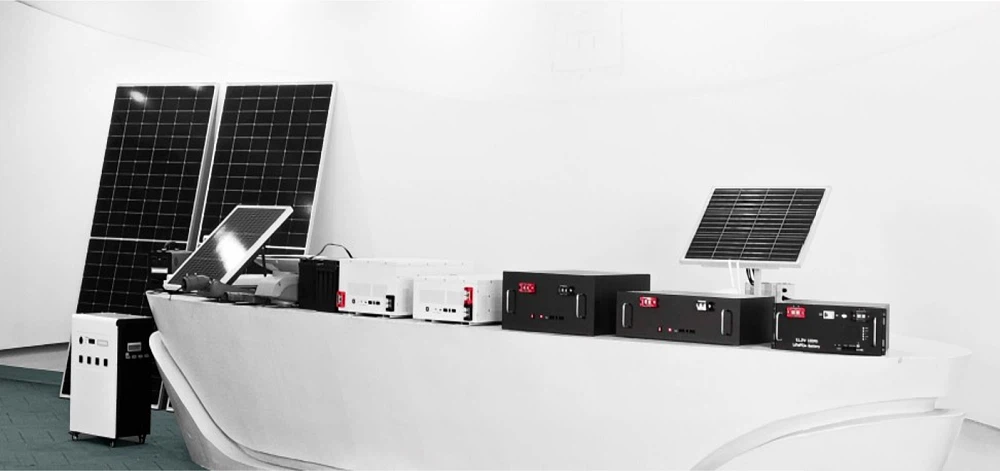
Saltwater vapor can penetrate standard electrical enclosures. By pairing IP68 waterproof lithium energy storage batteries with intelligent BMS systems, the battery cells stay dry and regulated.
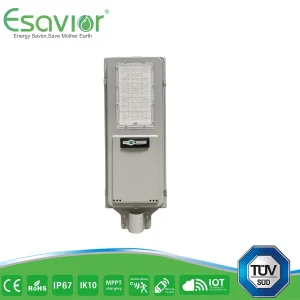
Our intelligent street lighting models feature motion sensors and smart IoT controllers. This allows managers to monitor real-time battery status, dim lights automatically when no motion is detected, and optimize solar energy use during cloudy seasons.
Essential international certifications and design parameters that ensure smooth customs clearance, local grid compliance, and liability protection.
For municipal and commercial projects, certifications like CE, RoHS, CQC, IEC, TUV, and SGS are required. They ensure the battery pack safety, LED performance, and structural integrity of the solar light poles.
Coastal areas face typhoons and hurricanes. The solar street lamp post assembly must be structurally analyzed for local wind speeds (e.g., ASCE 7-10 standards). Vertical cylinder wrap systems provide stability in wind-prone coastal areas.
Materials must undergo ASTM B117 salt spray testing for up to 1000 hours. The use of grade 316 stainless steel fasteners, marine-grade aluminum (6063-T6), and dual powder coatings prevent oxidation and hardware failure.
Founded in 2021, Foshan Lumina Light Co., Ltd. is a forward-thinking and innovative company specializing in photovoltaic technology. We focus on the research and development of integrated solar lighting and energy storage systems, as well as the manufacturing and global distribution of solar lamps and energy storage batteries. Since our establishment, we have adhered to the core philosophy of “Technology-Driven Excellence, Quality-Rooted Trust,” incorporating intuitive, user-friendly designs, low-maintenance convenience, and long-term reliability into every stage of R&D and production.
At Foshan Lumina Light, we pride ourselves on providing high-performance solar products and tailored power solutions to strategic partners in over 100 countries and regions worldwide. Our commitment to global standards of quality is reflected in our active participation in key international certification systems, ensuring that our products meet the highest benchmarks. As a result, our range of solar products has received full international certifications, including CQC, CE, ROHS, IEC, TUV, and SGS, giving our customers confidence in our products and facilitating smooth market access in diverse regions.
Expert answers to common engineering questions regarding the deployment of solar lighting systems in maritime, port, and harsh coastal environments.
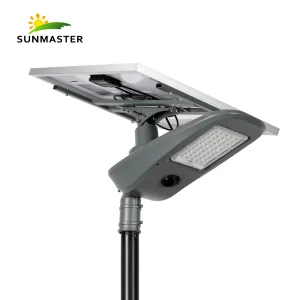
 Lumina Light