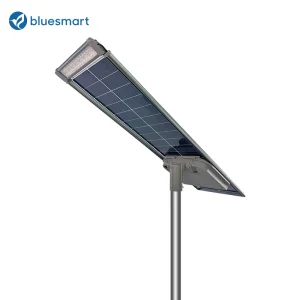
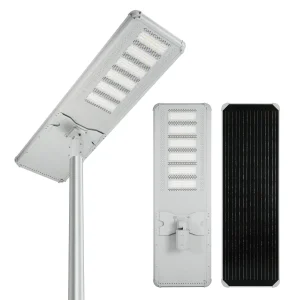
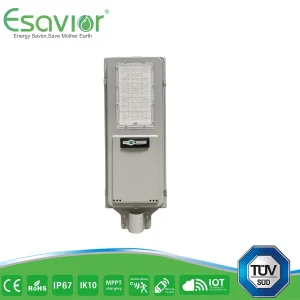
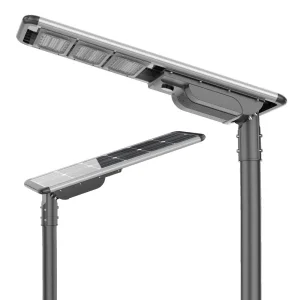
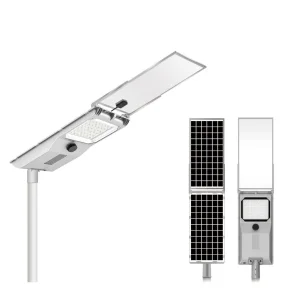
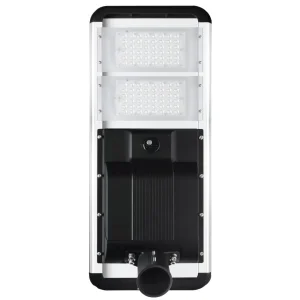
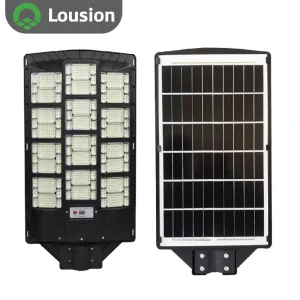
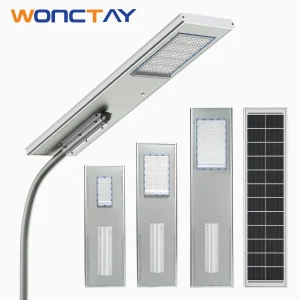
Rapid-deployment integrated solar street lighting configurations optimized for resort peripheries, remote island roads, and coastal pathways.
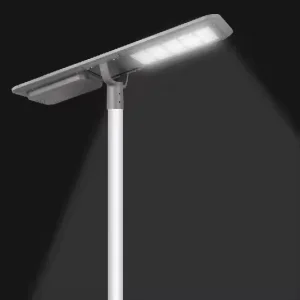
Vanuatu, an archipelago consisting of approximately 80 islands across the South Pacific, faces unique infrastructure challenges. The nation’s electric grids, highly localized to metropolitan centers like Port Vila (Efate) and Luganville (Espiritu Santo), suffer from high generation costs driven by imported diesel. According to utility reports, utility tariffs in Vanuatu are historically among the highest in the Pacific region, sometimes exceeding $0.50 USD per kWh. For municipal agencies, resort developers, and industrial operators, maintaining grid-tied outdoor lighting imposes severe operational costs.
Moreover, geographic dispersion complicates centralized power distribution. Offshore locations such as Tanna, Malekula, and Pentecost remain largely off-grid. In these remote terrains, installing conventional street lighting—which requires underground trenching, specialized copper wiring, step-down transformers, and continuous grid connection—is financially prohibitive. This grid limitation has positioned All-in-One Solar Street Lights not as an alternative, but as the primary infrastructure vehicle for urban planning, commercial developments, and community security.
Environmental compatibility represents another complex layer. Vanuatu sits within the Pacific Ring of Fire and the tropical cyclone belt, experiencing high relative humidity levels (averaging 80–85%), persistent marine salt-spray corrosion, and extreme weather events like Category 5 Cyclones (e.g., Cyclone Pam and Cyclone Harold). Ordinary outdoor luminaires fail rapidly due to moisture ingress, galvanic corrosion, or mechanical collapse under high wind loads. Sourcing high-specification, marine-grade integrated solar luminaires is critical for long-term survival in this tropical climate.
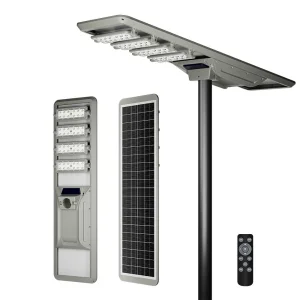
The global commercial solar lighting industry is transitioning from segmented component systems (split-type panels, external battery boxes, and LED lamps) toward All-in-One (AIO) and All-in-Two (AIT) architectures. An All-in-One system integrates the monocrystalline photovoltaic module, the lithium energy storage cell, the LED light engine, and the intelligent battery management system (BMS) into a single, unified chassis. This architecture reduces installation labor by up to 80% and eliminates external wiring points, which are often the primary vectors for moisture ingress and electrical shorts.
Key global procurement trends focus on three primary hardware upgrades:
Over 22% conversion efficiency, engineered to charge effectively under diffused or low-light atmospheric conditions.
High thermal tolerance, integrated safety vents, and BMS protection to prevent thermal runaway in high tropical ambient temperatures.
Microchip-driven tracking adjusts input voltage in real-time, improving overall system charging efficiency by up to 30%.
High-output engineering-grade systems designed specifically for public roadways, commercial ports, and government infrastructure projects.
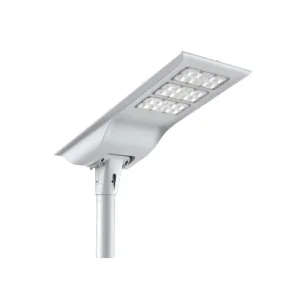
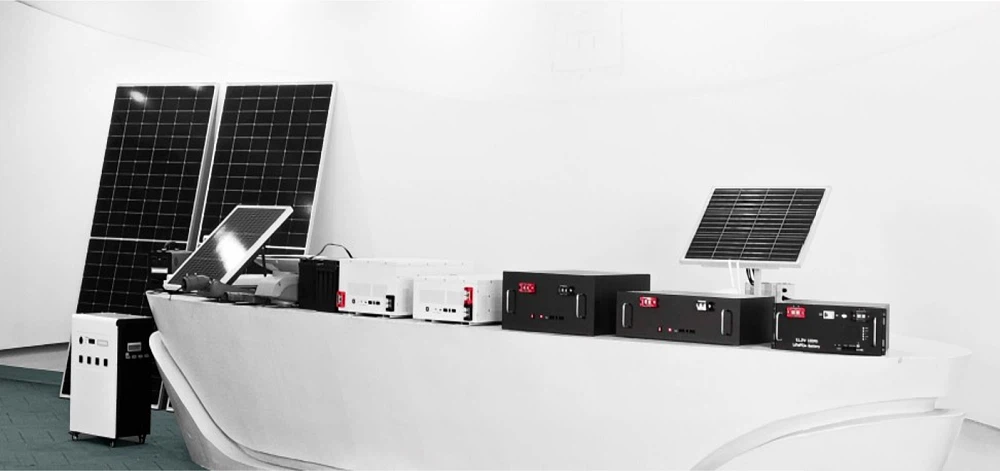
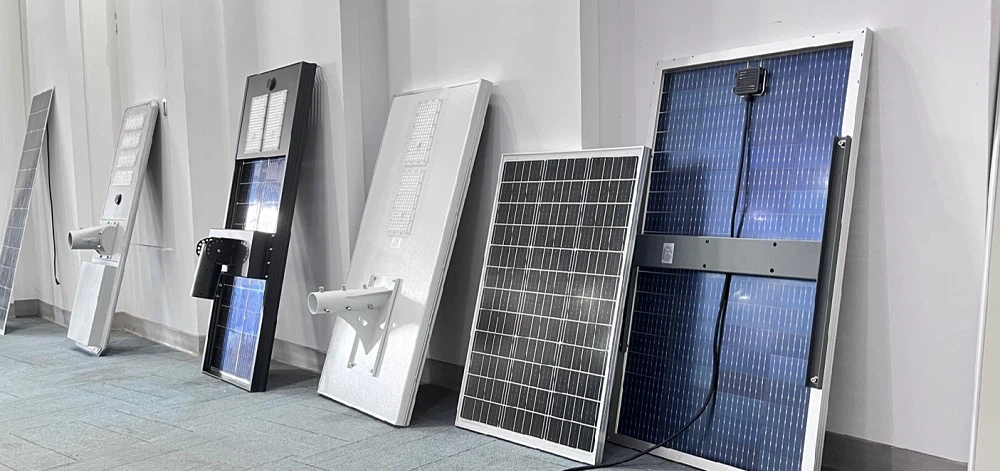
Founded in 2021, Foshan Lumina Light Co., Ltd. is a specialized developer and manufacturer of integrated solar lighting and energy storage systems. Our business covers research and development, structural and thermal engineering, and international distribution of solar luminaires and lithium battery modules.
Operating from the industrial manufacturing cluster of Foshan, Guangdong, we build reliability into our systems to support high-humidity, marine, and wind-prone regions globally. By managing the supply chain—from aluminum extrusion to automated SMT board placement and battery assembly—we deliver product consistency for critical infrastructure projects.
Our core development methodology integrates high-conversion monocrystalline solar cells, long-cycle-life LiFePO4 batteries, and smart controllers into single-body enclosures. This approach ensures our street lights can withstand high wind loads and salt air corrosion.
For buyers and developers in Vanuatu, sourcing solar street lighting directly from Chinese manufacturers provides access to integrated industrial supply chains. The city of Foshan acts as a central hub for photovoltaic engineering, raw aluminum sourcing, and electronics production, creating distinct advantages in manufacturing cost, material selection, and quality testing:
By working directly with the factory, procurement officers in Vanuatu can customize specifications, request adjustments to bracket sizes for specific pole shapes, tune motion sensors, or request specific programming for battery usage.
Our production lines feature automated wave soldering machines, computerized optical testing systems, and high-temperature environmental aging chambers. Each batch of lights undergoes a 24-hour continuous aging and cycling test before packaging to ensure performance upon delivery.
We also offer comprehensive ODM and OEM services. This allows municipal agencies, private developers, and local distributors in Port Vila, Luganville, and the outer islands to build their own brand identity. We provide engineering drawings, photometric data files, and structural certificates to simplify local planning approvals and procurement processes.
Lumina Light products meet strict international standards, ensuring smooth customs processing and compliance with local municipal building regulations.
Integrated solar street lights can be configured for a variety of specific outdoor settings across Vanuatu:
Properties located on Efate (e.g., around Port Vila harbor) and Espiritu Santo face continuous exposure to salt air. In these areas, conventional iron fixtures rust quickly, and buried wiring is vulnerable to tidal movement. Our integrated aluminum alloy lights use corrosion-resistant coatings and need no wiring, making them ideal for boardwalks, beach walkways, and hotel access roads.
On outer islands like Malekula or Ambrym, off-grid villages rely on solar power for safety and community activities. Integrated solar street lights, which mount directly to poles or building walls without complex wiring, can be installed using basic hand tools by local communities. This provides a cost-effective lighting option for medical clinics, schools, and central public spaces.
For urban roads like Port Vila’s Lini Highway, high-lumen, continuous illumination is essential for traffic safety. By selecting high-output integrated lights (150W to 300W models) with built-in sensors, municipal planners can keep roads safely lit through the night while managing energy reserves during rainy periods.
Industrial sites, cargo yards, and agricultural processing points (such as copra mills) require reliable perimeter security lighting. Setting up solar lights with dual microwave motion sensors ensures bright lighting when movement is detected, helping protect property and operations.
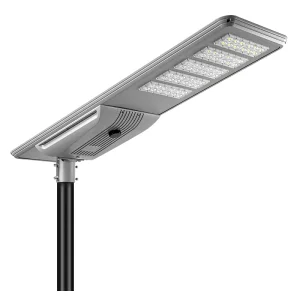
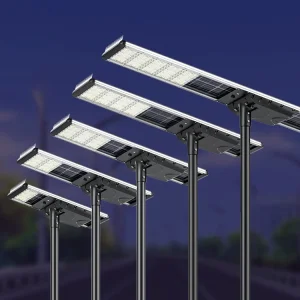
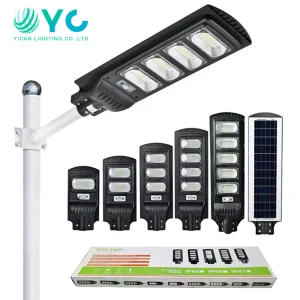
Explore our full line of weather-resistant, off-grid integrated street lighting options, complete with smart controllers and adaptable mounting brackets.
Answers to technical and logistics questions for importers, engineers, and contractors in Vanuatu.
 Lumina Light