Established 2021 | Global Photovoltaic & Intelligent Storage Pioneers
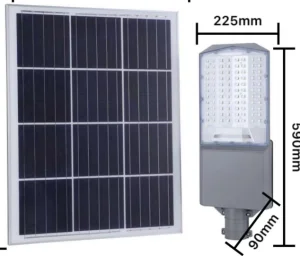
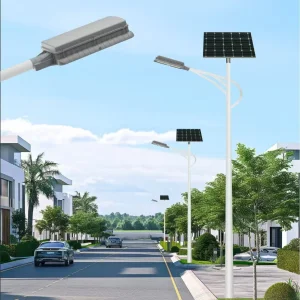
Founded in 2021, Foshan Lumina Light Co., Ltd. is a forward-thinking and innovative manufacturer specializing in next-generation photovoltaic technology. Our technical roadmap encompasses the active research, engineering, and manufacturing of integrated solar lighting systems, off-grid energy storage infrastructure, and premium smart LED lamps.
By adhering to our core philosophy of "Technology-Driven Excellence, Quality-Rooted Trust," we integrate intuitive, user-friendly structural designs with low-maintenance, long-term operational reliability. We solve the primary pain points of urban and rural developers: ensuring consistent, year-round illumination in challenging environmental micro-climates.
Our strategic footings in China's manufacturing heartland allow us to deliver high-performance solar solutions and custom off-grid systems to governmental agencies, public utility contractors, and private developers in over 100 countries and regions worldwide.
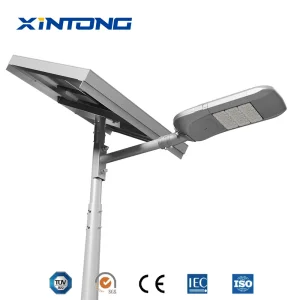
Foshan Lumina Light's product portfolio is manufactured to meet rigorous international quality controls, holding certifications for smooth custom clearance and regional utility approvals.
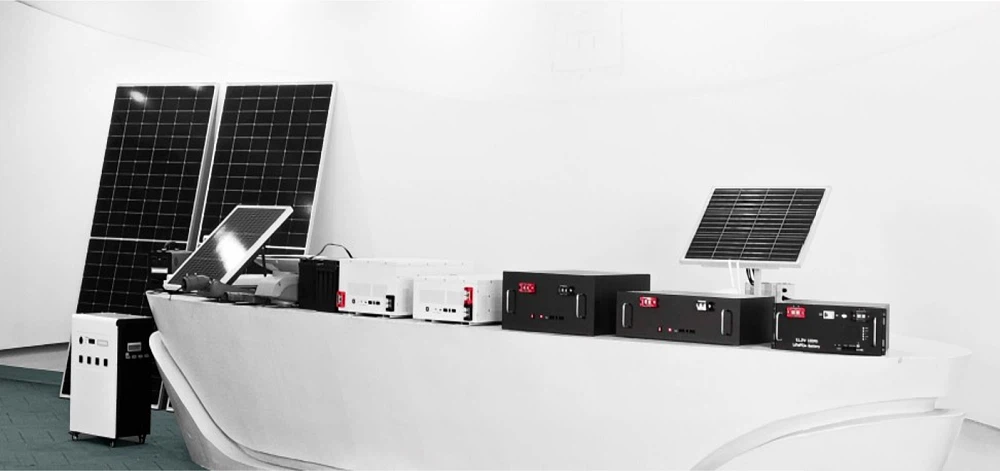
Modern bus stop solar light setups rely on Grade-A monocrystalline silicon photovoltaic panels. By utilizing passivated emitter and rear cell (PERC) technology, conversion efficiency is pushed beyond 22.5%. Special anti-reflective coatings and self-cleaning glass profiles ensure that dust accumulation and bird droppings do not severely degrade light absorption metrics.
Unlike traditional lead-acid or standard ternary lithium batteries, premium bus shelter lighting systems incorporate lithium iron phosphate (LiFePO4) cells. Offering up to 3000 to 6000 charge cycles at 80% Depth of Discharge (DoD), they exhibit thermal stability, operating efficiently between -20°C and +65°C without the risk of thermal runaway.
Maximum Power Point Tracking (MPPT) intelligent charging algorithms continuously calculate the solar module's V-I curves to harvest maximum solar energy. Under heavy cloud cover, MPPT controllers show a 30% yield boost over standard PWM regulators, feeding the municipal grid system or localized battery packs with consistent energy.
Deploying off-grid lighting solutions for public transit networks requires more than standalone fixtures. It calls for structured, systems-level engineering designed to integrate with smart-city hardware.
A major challenge for transit design firms is keeping historic and modern urban shelters visually cohesive. Custom fabrication allows developers to blend solar panels directly into bus shelter roofs. Our design capabilities encompass curved flexible solar panels, transparent thin-film photovoltaics, and structural aluminum bracket designs that integrate into modern carbon-steel structures.
By integrating Zigbee, LoRa, or 4G communication modules, solar-powered bus stop lights become part of a connected urban network. Municipal control rooms can track battery health, light output degradation, and energy consumption metrics in real-time. Smart motion sensors and dimming profiles reduce energy draw during off-peak hours (1:00 AM – 5:00 AM), saving charge cycles.
Bus stops are critical community safety nodes. By providing reliable illumination, these solar systems deter vandalism and increase passenger safety. High-capacity LiFePO4 battery modules can support emergency USB mobile device chargers, real-time bus schedule displays, and low-power CCTV security cameras, operating independently from the municipal grid.
China leads the world in PV manufacturing, producing over 80% of global solar components. Our production facilities tap into this deep supply chain, combining automated assembly with stringent quality control protocols to keep costs low and build times fast.
Our manufacturing processes feature:
Foshan Lumina Light's manufacturing lines balance high-speed assembly with individual product testing, ensuring each batch stands up to international engineering standards.
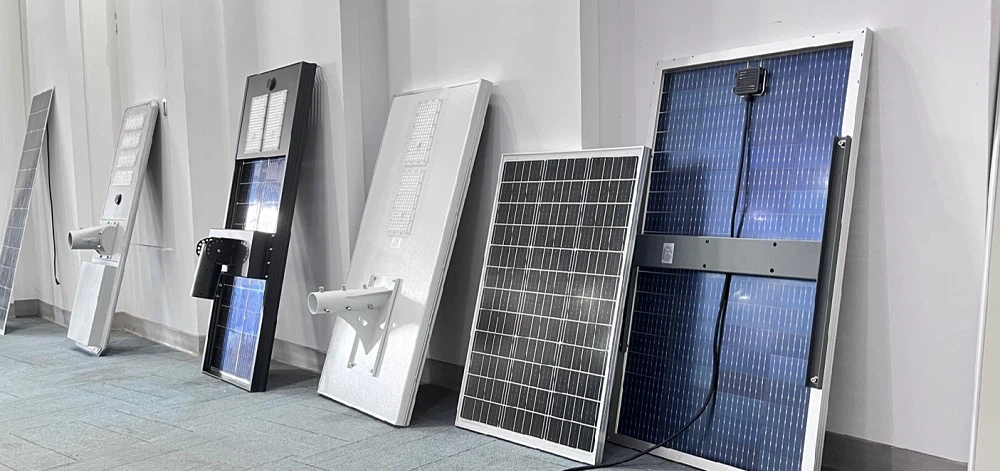
Industrial purchasing agents, municipal engineers, and contractors must match system specifications to local environmental demands. Use the technical matrix below to evaluate regional design requirements.
| Transit Environment | Recommended System Type | Solar Panel Spec | Battery Chemistry / Spec | Luminous Efficacy |
|---|---|---|---|---|
| High-Latitude / Low-Sun Regions | Split-Type (Adjustable PV) | 150W - 250W Monocrystalline | LiFePO4 12V 100Ah (Low-Temp Heated) | 160 lm/W - 180 lm/W |
| Equatorial / High-Humidity Zones | All-in-Two (Integrated / Split) | 100W - 180W Self-Cleaning | LiFePO4 12V 80Ah (IP67 Venting) | 170 lm/W - 190 lm/W |
| Urban Smart Shelters (High Traffic) | IoT-Enabled Custom System | 200W+ Architectural Glass | LiFePO4 24V 120Ah (Smart BMS) | Up to 200 lm/W (Adaptive Dimming) |
| Rural / Off-Grid Stops | All-in-One Integrated Setup | 60W - 100W Integrated | LiFePO4 12V 40Ah | 150 lm/W - 170 lm/W |
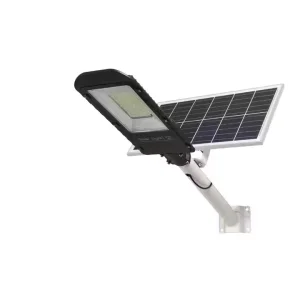
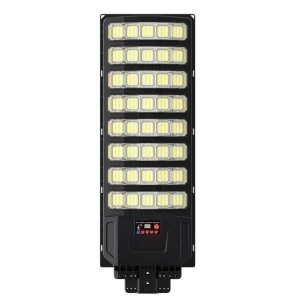
 Lumina Light