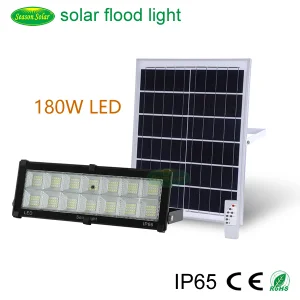
Engineered for High Photovoltaic Efficiency, Weather Endurance, and Long-Term Reliability
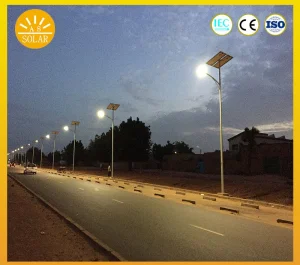
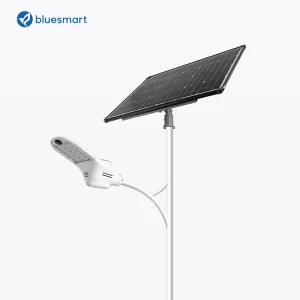
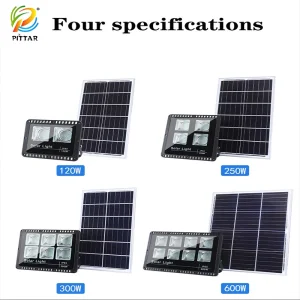
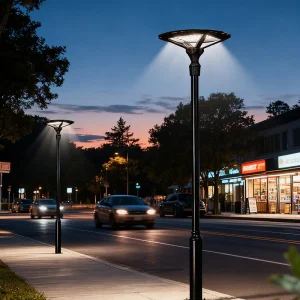
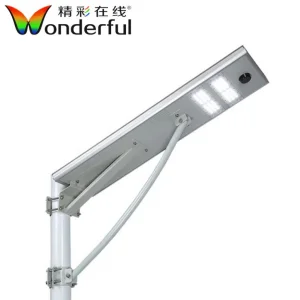
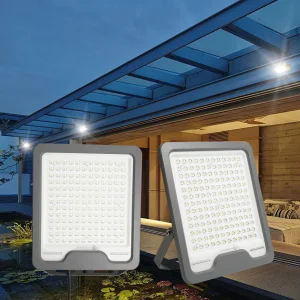
As modern municipalities transition toward smart cities, public transit infrastructure—specifically bus shelters, rural transition hubs, and pedestrian pathways—demands reliable, off-grid illumination. Solar shelter lighting has emerged from basic localized installations into highly engineered micro-grids. Leveraging high-efficiency monocrystalline silicon panels, smart Maximum Power Point Tracking (MPPT) charge controllers, and advanced Lithium Iron Phosphate (LiFePO4) energy storage, these systems deliver critical public safety benefits while zeroing out carbon footprints.
By shifting from conventional grid connection to independent photovoltaic systems, operators eliminate heavy ground-trenching costs, complex permitting processes, and ongoing utility fees. B2B procurement managers and municipal engineers recognize that selecting the right manufacturing exporter involves verifying deep manufacturing standards, quality-control protocols, and components life cycles.
China stands at the global center of photovoltaic development, producing over 80% of the world's solar components. The country's solar shelter lighting manufacturers leverage an unparalleled supply chain, ensuring component harmony, state-of-the-art battery technologies, and significant cost-to-performance ratios. Specifically, Southern China's optoelectronic hubs integrate material sciences, electrical engineering, and precision tooling to deliver specialized municipal solutions.
From lithium-cell purification and PCB design to aluminum die-casting and optical lens development, China's vertical integration guarantees shorter lead times and seamless configuration compatibility.
Exporters offer versatile OEM and ODM configurations, modifying fixture sizes, mounting angles, battery storage capacities, smart IoT controllers, and optics distributions to match specific local environments.
Exporters rigorously test to international certifications such as CQC, CE, RoHS, IEC, TUV, and SGS, facilitating smooth customs clearance and ensuring high reliability in B2B project bids.
Founded in 2021, Foshan Lumina Light Co., Ltd. is a forward-thinking and innovative company specializing in photovoltaic technology. We focus on the research and development of integrated solar lighting and energy storage systems, as well as the manufacturing and global distribution of solar lamps and energy storage batteries. Since our establishment, we have adhered to the core philosophy of "Technology-Driven Excellence, Quality-Rooted Trust," incorporating intuitive, user-friendly designs, low-maintenance convenience, and long-term reliability into every stage of R&D and production.
We pride ourselves on providing high-performance solar products and tailored power solutions to strategic partners in over 100 countries and regions worldwide. Our commitment to global standards of quality is reflected in our active participation in key international certification systems, ensuring that our products meet the highest benchmarks.
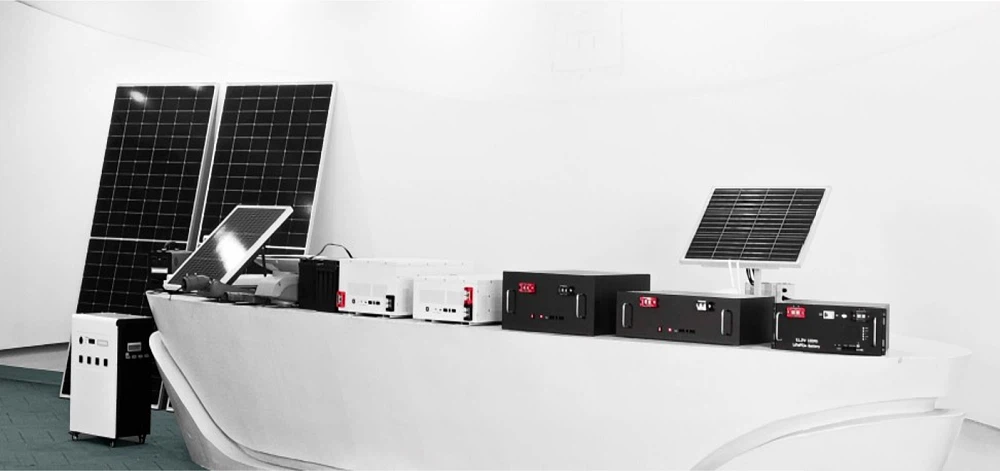
For municipal projects, meeting standard criteria is essential. Lumina Light products have received full international certifications, including CQC, CE, ROHS, IEC, TUV, and SGS, giving our customers confidence in our products and facilitating smooth market access in diverse regions.
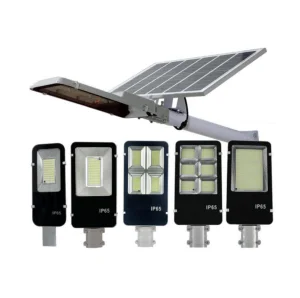
Our solar street lamps are designed with a reinforced, weather-resistant shell, making them highly effective for deployment in high-humidity rural and urban areas. These lamps are built to perform under extreme weather conditions and provide long-lasting, reliable illumination. Whether in remote villages, local roads, or urban transit shelters, our systems offer consistent, uninterrupted service.
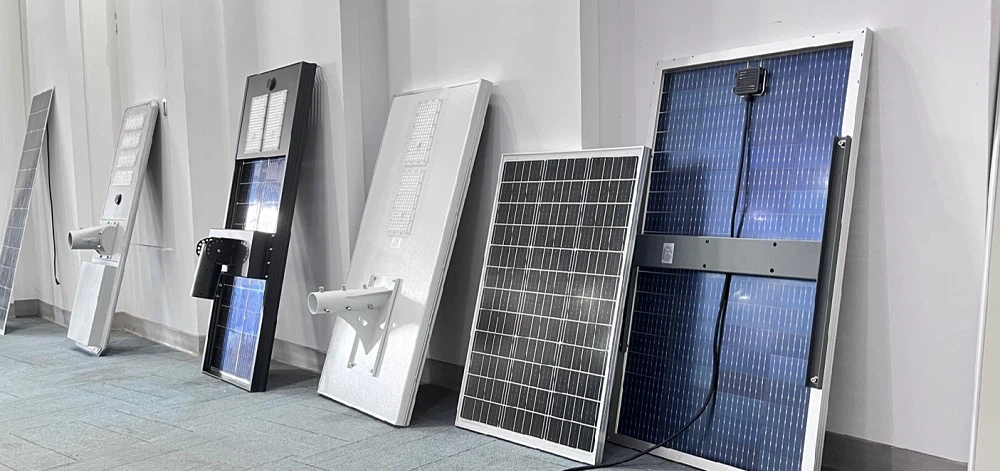
Understanding the critical performance metrics of solar shelter systems is vital to optimizing installations for peak operating periods and heavy cloud cover. When engineering lighting solutions for municipal transport shelters, several technical dimensions must be synchronized:
Compared to traditional lead-acid or standard ternary lithium cells, Lithium Iron Phosphate (LiFePO4) offers exceptional thermal stability and a long cycle life (exceeding 3,000–5,000 cycles at 80% DOD), ensuring stable performance over 8 to 10 years of operation.
Maximum Power Point Tracking (MPPT) delivers up to 30% higher charging efficiency than conventional PWM controllers. It adjusts input dynamically, ensuring the battery charges efficiently during low-irradiance or rainy winter conditions.
By using integrated motion sensors (PIR or microwave radar) and programmable smart timers, the lights automatically dim to 30% during low-activity periods and ramp up to 100% capacity when transit passengers approach, preserving valuable battery life.
For architectural structures like bus shelters, designers must also evaluate optical beam spreads. Standard symmetric LED light spreads can throw light onto nearby roadways, causing glare for oncoming drivers. High-end solar shelter lighting uses asymmetric optics (such as Type II or Type III distributions) that direct illumination precisely onto the seating areas, maps, and transit platforms, optimizing user safety while preventing light pollution.
Deploying solar energy systems globally requires tailoring setups to specific localized microclimates and environmental conditions. Manufacturers must adapt systems to suit regional parameters:
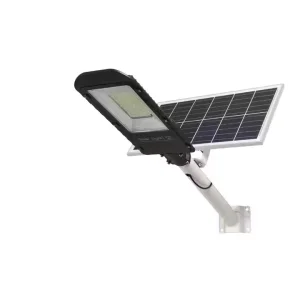
Lumina Light's customized solutions address these distinct regional constraints. For instance, in areas facing continuous cloud cover, our split-type solar street lamp configurations enable operators to mount the PV panels on roofs or above shade structures while keeping the light fixtures neatly installed beneath the shelter's roof. This setup optimizes light absorption while preserving the aesthetic appeal of the transit infrastructure.
Expert Guidance on Municipal Solar Procurement and System Maintenance
Heavy-Duty Solar Systems Designed for High Lumens, Long Autonomy, and Industrial Applications
 Lumina Light